Techniques
-
GUEST POST: Playing with the Senses During Ritual
by Eloise Martel Something I find useful to immerse into the ritual experience (especially when you start and you don’t really know what to begin with) is playing with the 5 senses: Sight, Hearing, Touch, Smell, and Taste. Playing with the senses can trigger specific memories and help you achieve your goal during the ritual. You can find correspondences (herbs, days, colours, stones etc.) in almost all the 101 witchy books, but don’t forget to ask yourself what associations make sense to you personally. If the goal during the ritual is to make yourself feel certain things, what you are going to use has to speak to you. Sight: Many…
-
Riffs on a Meme: Enchanting the Mundane
Today, in the weekly Atheopagan Zoom mixer gathering, I was exposed to an Internet meme that really resonated. It is this: This is so completely an Atheopagan approach to life! Turning pedestrian tasks into romantic and thrilling adventures is a way to add happiness and joy, and to retool our mental approach to them to enhance our motivation and focus. Nothing supernatural required: just a reframing and a playful approach. Currently, I am stuck on trying to get a new job. I’m still so burned by what happened at the last one that I haven’t been able to bring myself even to update my resume yet. But I have to…
-
Confronting Our Demons: A Guide to Atheopagan “Demonology”
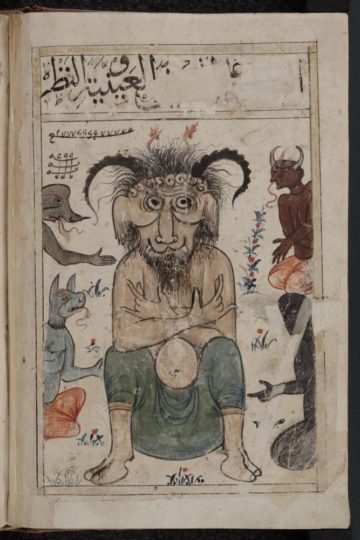
This article draws heavily on concepts suggested by my friend Hummingbear in an essay he provided to me more than 25 years ago. I no longer have the essay, and he lost it in a computer disaster, but this is my riff on his basic concepts. Thanks, Hummingbear! Our Atheopagan approach to “magic” is that it is psychological: we do rituals to change our consciousness, address our issues, heal our wounds and focus our intentions. We understand that this does not change the physical world, but it changes our internal worlds, and by so doing can lead us to make substantive changes in our lives. Most (but not all) Atheopagans…
-
Invitation to the Sacred Fire
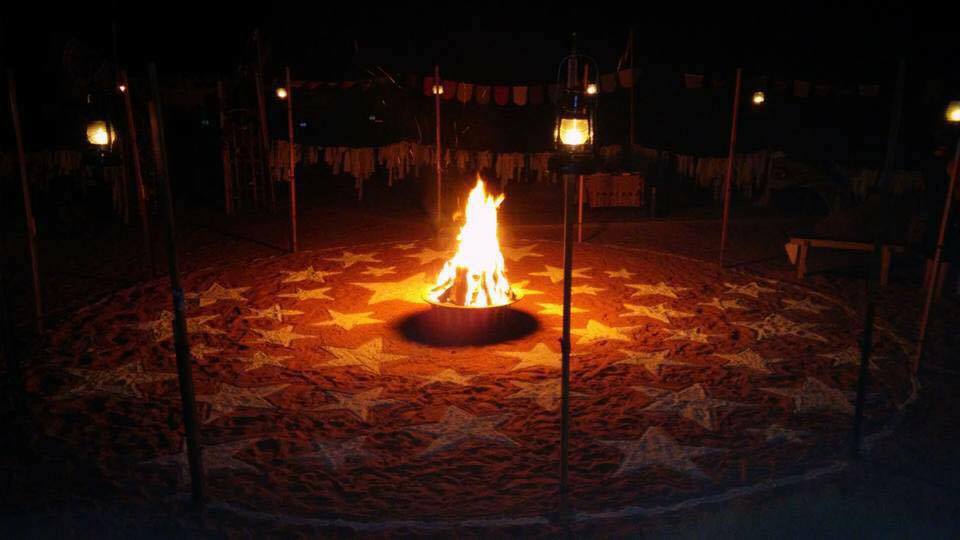
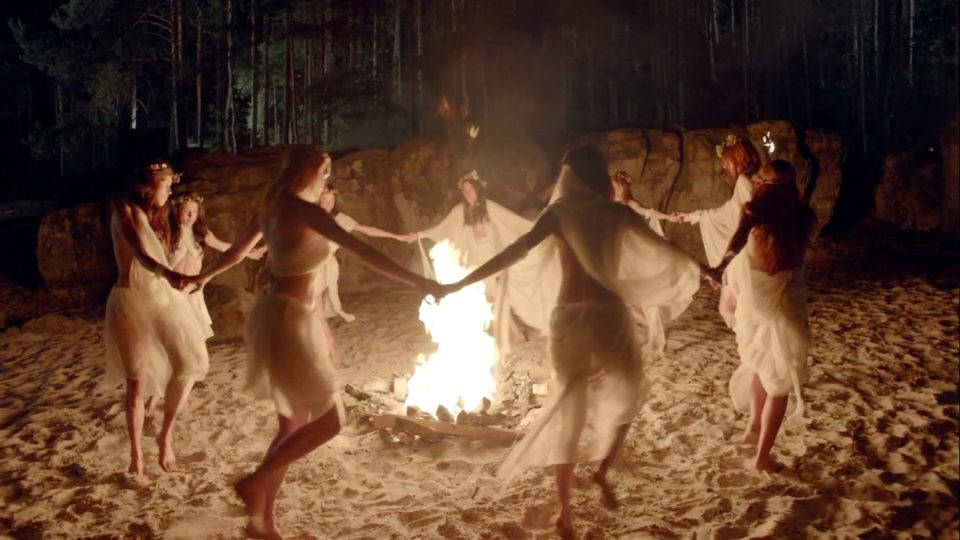
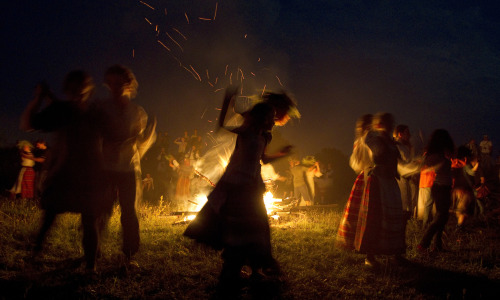
I invite you, friends. Come with me to a place of celebration. The forest stands, ancient. It is night. The tents and pavilions have been set: your bed awaits you if you want to go. It is midnight. And you don’t want to go there. None of us does. The scent of the damp earth and the old wood, stained with a little smoke, perfumes the air. All is dark save the odd candle, the odd lantern that marks the trail to the Place. There are drums. Incredible drums, rising and falling, pounding into ecstasy, diminishing into intense, near-silent fervent rhythms. The drums call us to the torch-circled Place. The…
-
Atheopaganism for Solitaries
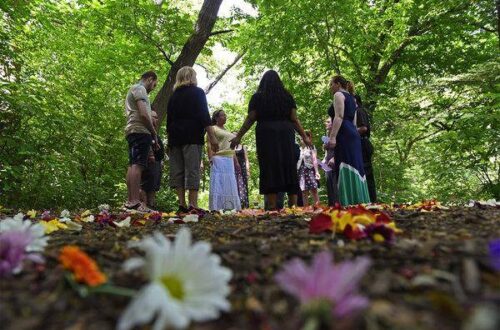
We’re a subgroup of a subculture. Of a couple of them, actually: atheism and Paganism. So it’s not a surprise that though there are many of us collectively, we are spread thinly and may live far away from anyone else who identifies as practicing the path of Atheopaganism. Thus, this post, about practicing as a solitary. That said, I do encourage folks to meet up as best they can. I have heard many heartwarming stories of folks from the Atheopaganism Facebook group meeting in person and establishing friendships. I think that’s wonderful! I myself mostly practice as a solitary. Though I have a ritual circle that meets 8 times per…
-
Ritual Hygiene: Preparation and Recovery
I made a mistake this week. I assigned the creation and completion of a solitary ritual to the students in the Atheopaganism U. class, and neglected to cover how to take care of yourself before and after a ritual. One of the students had a very powerful experience in her ritual, and then spent hours unable to sleep thereafter. Whoops. In all my writing here at the Atheopaganism site, I have completely overlooked the basic physical/psychological preparation and post-ritual self care that are necessary for health and safety. These are practices I engage in myself–it just never occurred to me to write about them. So here goes. Depending on their…
-
Patriotism and Ritual Cleansing
It’s the 4th of July: Independence Day in the U.S., a time of patriotic celebration. I am a patriot. By that, I mean that I 1) love the land, water, air, creatures and people of the United States, and want the best for them; 2) I am well familiar with and do not deny the historical and current moral failings of this country, and seek to improve our record and behavior going forward. I do not mean that I cheer lead the American Empire, nor that I jingoistically hail flags, weapons, militarism or the idea that the United States is somehow superior to all other nations, all metrics contradicting this…
-
Authenticity
We revere the world because it is real. It verifiably exists, and it is magnificent: it sustains us, it unfolds in its myriad, fractal ways: in forests and grasslands, in oceans and deserts, in mountains and valleys and canyons, in lakes and rivers and fog and rain and snow. It feeds us, it waters us, it sustains us with warmth and so many kindnesses that, though it isn’t volitional, we might as well poetically conceptualize it as Love. We celebrate living because we are living. We sing, we stomp, we chant, we write poetry, we make art, we drum, we play. We light the candles, we burn the fire, we…
-
Candle Rituals
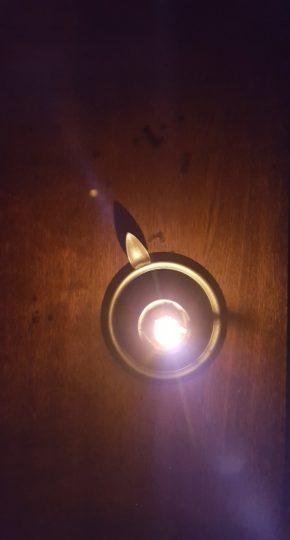
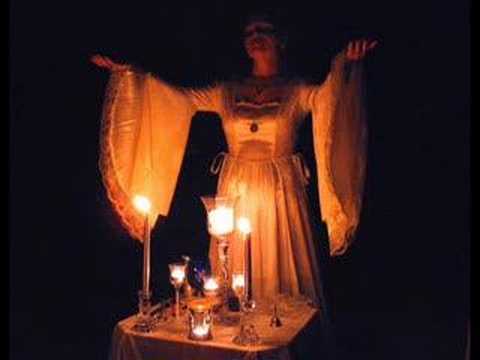
One of the more characteristic “witches’ tools” used in rituals is the candle. There are many ways we can work with them to create psychologically powerful and effective rituals. Candles provide a “magical” atmosphere for many reasons. Low light conditions tend to provoke a spooky desire on the part of people to be quieter, possibly as a result of our roots as diurnal animals afraid of nocturnal predators. Flickering golden light provides a soft, hushed ambience that works perfectly on a Focus (or altar) and which is conducive to the brain’s Ritual State (aka trance, or “flow”). And after all, lighting candles is a rather “magical” act, in that it creates…
-
Effective Atheopagan Leadership: a Curriculum
As I’ve written before, my conceptualization of Atheopaganism as a path and a tradition does not incorporate concepts of degrees of advancement, or “clergy” as an elevated status within the religion. I just find such hierarchies to be fraught with too many pitfalls, ranging from “higher-level” persons gatekeeping access to knowledge and training from lower-level ones, to those with “status” potentially being able to leverage that status in unhealthy ways ranging from minor pomposity all the way to harassment and abuse. The whole idea of “initiations into secrets” is a holdover from secretive organizations like the Masons, with their roots in the Romantic movement of the 18th and 19th centuries. There…