Practice
-
Rites of Passage #2: Into Adulthood
Some time ago, I wrote a piece about Atheopagan Rites of Passage. In it, I described life milestones that might be celebrated by an Atheopagan, and which we as Atheopagan “clergy” (we’re all clergy, since we have none) might be asked to officiate over. On reflection, it occured to me that just talking about these rites of passage probably isn’t helpful enough: that having some guidelines for each such rite would be helpful to the community. So here is the second installment in a new series: Rites of Passage. Modern Western cultures, with a few exceptions such as the Jewish community, do not mark rites of passage into adulthood. This leads…
-
Rites of Passage #1: Naming Ceremonies
Some time ago, I wrote a piece about Atheopagan Rites of Passage. In it, I described life milestones that might be celebrated by an Atheopagan, and which we as Atheopagan “clergy” (we’re all clergy, since we have none—below, the ritual leader’s role is noted as “celebrant”) might be asked to officiate over. On reflection, it occured to me that just talking about these rites of passage probably isn’t helpful enough: that having some guidelines for each such rite would be helpful to the community. So here goes the first installment in a new series: Rites of Passage. A Naming ceremony is a welcoming ritual for a newly born person. In this…
-
Keeping a Practice Going
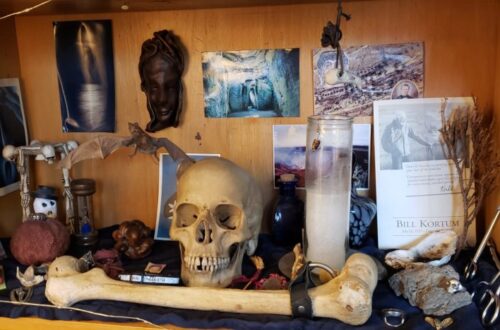
As Atheopagans, we have practices: rituals (big or small) we do to remind ourselves of the magnificence of the Earth and Universe, of the beauty of living, and of the values we hold dear. These can include… Daily (or nearly daily) observances, such as lighting candles on a Focus or drawing a Tarot card for reflection Weekly (or nearly weekly) observances such as any ritual activities you may want to do before attending a UU service, for example (if you do that) Monthly observances such as Moon phases, menstrual cycles, etc. Seasonal Sabbaths of the Wheel of the Year Annual observances like the First Big Rainstorm or First Snow, Pi Day (also…
-
Let’s Talk Talismans!
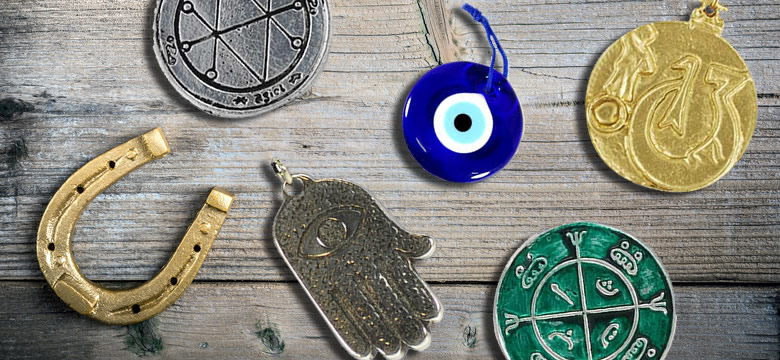
Here’s my latest post, about talismans. Post yours in the comments!
-
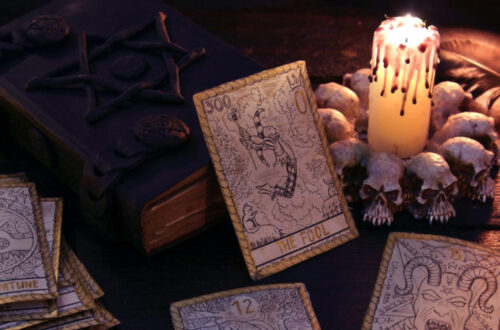
Ritual Practice of an Hellenic Atheopagan
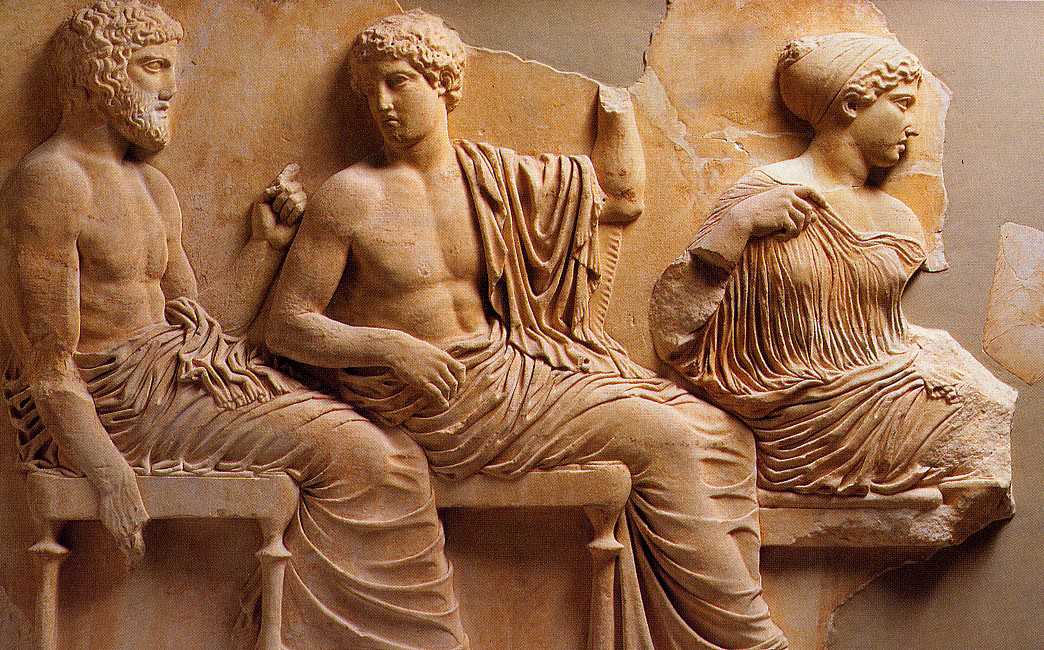
EDITOR’S NOTE: The Pagan path of Atheopaganism as it is generally described on this site is free both of credulity in literal gods and of “soft theism”, or the usage of god-images, names and meanings as metaphorical in religious practice. But for some, this soft theism adds a valued layer of meaning to their practice. Here, guest writer Richard C. Sansing describes how he has cross-referenced figures in the traditional Tarot deck with Classical Greek mythological figures. Richard’s Focus My ritual practice combines the intellectual foundations of Atheopaganism with the symbolism of Greek mythology. My Focus is simple, featuring a figurine of Prometheus bringing fire to mankind and my childhood copy…
-
Ave Fortuna!
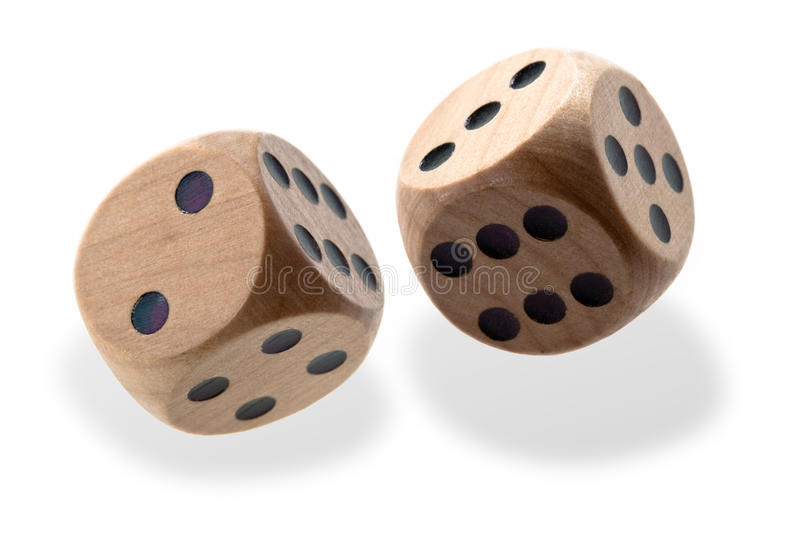
A guest post by Kaigi-Ron Ave is the principle of gratitude. Of recognizing, in each moment, how incredibly lucky you are…because it could’ve gone another way. It could be so very much worse…but, fortunately, it isn’t. Ave Fortuna! It all started with the Focus to Fortuna. In this world ruled by chaos, she rolls the dice. They cannot be unrolled. So it goes. I added miniature decks (both standard playing card and tarot), a pewter ship (the winds of change), plus a full set of D&D dice. May the Odds Be Ever in Your Favor… …and I’m reminded of a passage from Leonard Mladinow’s book The Drunkard’s Walk – all about how we perceive randomness. Think for a…
-
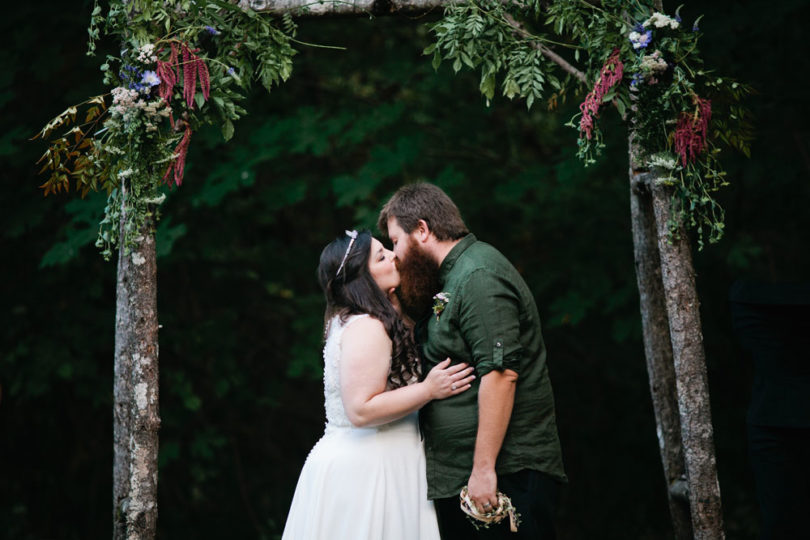
Atheopagan Rites of Passage
Traditionally, rituals have not only been for holidays or personal practice. They also mark milestones in life, when something major is occurring and the community wants to acknowledge that change. Naming ceremonies, passages into adulthood, weddings, and funerals are all examples of rites of passage. This is a tradition that appears to go back a long way. There is a Paleolithic cave in France which preserves the footprints of children dancing in a circle, and it is possible that this evidence, plus the hundreds of hand prints—each of a different person—found on the walls of many of these caves marks the traces of truly ancient passage rites. In such caves, the…
-
Seize the (Unusual) Day!
Recently, I posted about customizing your own Atheopagan Wheel of the Year— creating a cycle of observances of the equinoxes, solstices and points between as an 8-holiday cycle of rituals and traditions. However, I believe there are more holidays (“holy days”) than just these. Those on the Wheel are the ones we can predict will come every year, but there are also unusual and amazing phenomena that come along once in a very great while which we should also take time out to celebrate. Here where I live in Northern California, for example, thunder and lightning are almost unheard of. They require a combination of precipitation and heat that we just…
-
Creating Your Own Wheel of the Year
In Atheopaganism, similar to many other Pagan paths, we celebrate eight Sabbaths, or holy days: the solar equinoxes and solstices, and the points between them. But I encourage folks to adapt this calendar to fit the circumstances of the places where we live, choosing our own names and meanings for these holidays as necessary. Why your own? Because we all live in different climates, and the traditional Pagan/Wiccan Wheel doesn’t really reflect any except that of England and places with similar seasonal cycles. Ours is an Earth religion, and connectedness to our local seasonal cycles is essential: our celebrations should reflect the land on which we live, not somewhere else. I live…
-
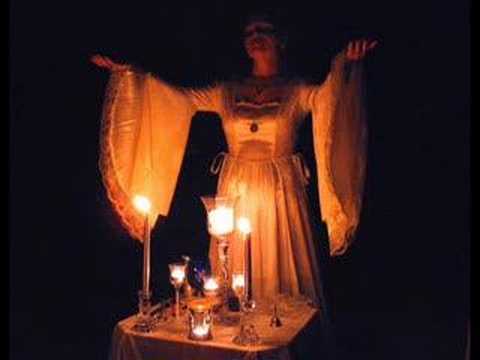
New Thoughts on the “Arrival” Phase of Atheopagan Ritual
When I do Atheopagan rituals—particularly with other people—most of the time I follow a simple structure which facilitates passage into the Ritual State, also known sometimes as “trance” or “flow”. That structure and the concepts and principles surrounding it are explored in detail in the Atheopagan Ritual Primer, which can be downloaded here. Now, I should say, as I always do, that you don’t have to use this structure to be an Atheopagan. Do whatever works for you. But I think you’ll find that this system does work, if you’re just getting started with ritual work or looking for an inspiration point to begin from in designing a ritual. I’ve been thinking…