Practice
-
Noble Ancestors
We have our real ancestors–blood relations, going all the way back to single-celled organisms if we go back far enough. But there are also those now dead whom we admire for their exemplary qualities: their courage, their intelligence, their wisdom. While they won’t have followed an Atheopagan path (as we’re just getting started), they still loom large in our memories. I think of these “Noble Ancestors” as the equivalent of Atheopagan “saints”: they were once real people, and they exemplify various qualities we admire. In fact, I have been known to refer to “Saint Carl (Sagan)”, “Saint Galileo”, “Saint Nelson (Mandela)”, “Saint Stephen (Hawking)”, “Saint Charles (Darwin)” etc., with tongue…
-
Yuletide: A Compendium
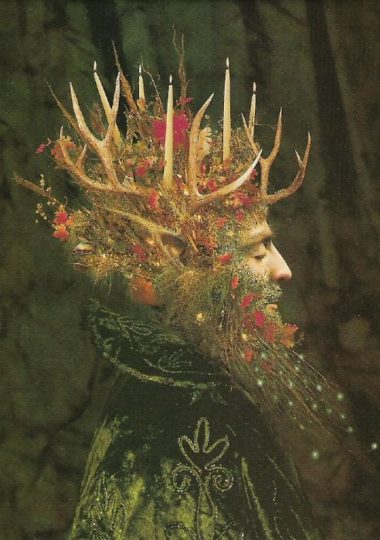
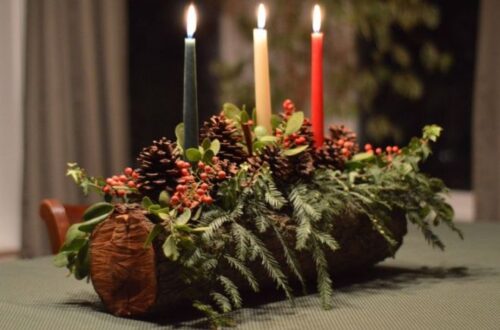
Over the years, I’ve posted quite a bit about my Atheopagan Yule traditions. I thought I’d pull links to them together here for easy reference. Yule, overlapping so heavily with the Christian/secular holiday of Christmas, is a time when many of our Pagan traditions are widespread, and with many old threads of lore and practice layered over one another. Whether your household goes all out, with a tree and gifts and parties and the Holly King in his guise as Saint Nicholas, or simply lights candles to call back the light into the world, it is a time of both hope and fear, a time for reflection on what has…
-
Happy Wolfenoot!
Some time ago, I wrote about non-Sabbath holidays: special days we celebrate other than the 8 observances of the Wheel of the Year. These can be anything we find meaningful, whimsical, or important to remember. This year, a 7-year-old boy invented Wolfenoot, a holiday about wolves and dogs. The concept is simple: on Wolfenoot… It is when the Spirit of the Wolf brings and hides small gifts around the house for everyone. People who have, have had, or are kind to dogs get better gifts than anyone else. You eat roast meat (because wolves eat meat) and cake decorated like a full moon. From the Wolfenoot website Adorable, right? This concept has caught…
-
A Deep and Meaningful Hallows to You!
Just a short note for the folks here who aren’t on the Facebook group: I wish you the most potent and meaningful of Hallows celebrations, and may your reflections on your ancestors and Death bring you wisdom. I am about to head off to my circle’s annual Samhain/Hallows gathering, which I’ve described here. It will be a particularly powerful year for it, because my father died last year. I look forward to putting to rest that horrible relationship, and to seeing my circle brothers and sisters. See you on the flip side!
-
Ritual Tools I Find Useful
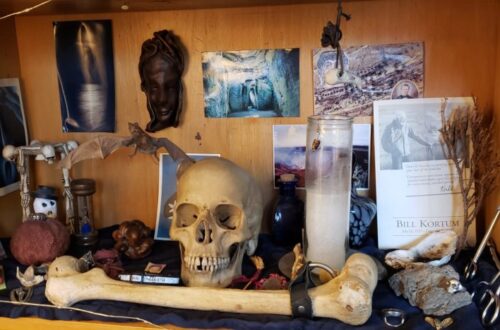
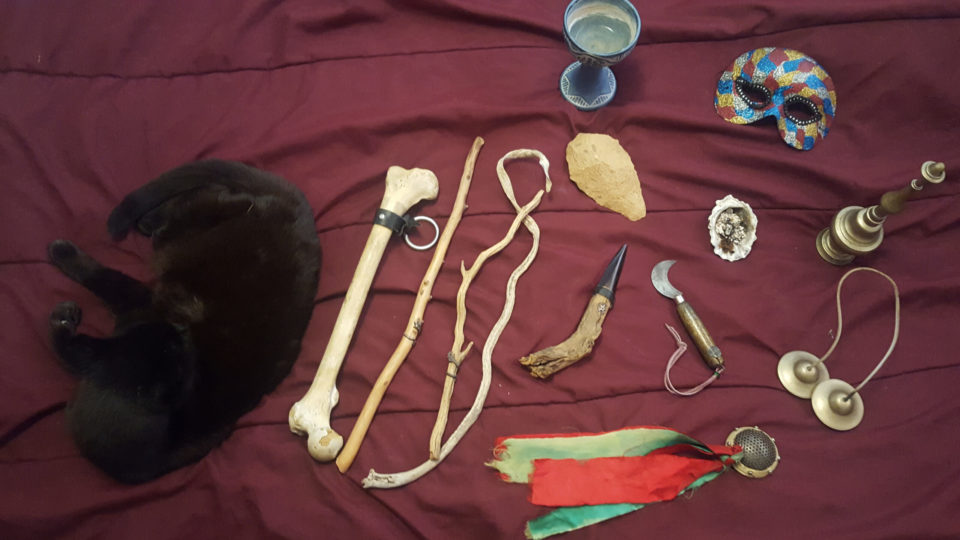
Ritual tools are physical objects with which one performs symbolic ritual acts. In more formal “occult” systems there are prescribed sets of these tools, but in Atheopaganism, we’re strictly practical about them; we use what is useful to us. The items below are things I use in rituals, in combination with objects symbolizing the qualities and attributes I wish to include in a given ritual: Focus cloths: I like to have cloths I can put down on a table or other surface, upon which I build my Focus. They vary in color by the season (bright pastels for High Spring, e.g., or spider web-patterned black fabric for Hallows). Asperger: Asperging is…
-
A Gift from the Dying
I’ll cut to the chase: we’re all dying. It’s the only guaranteed fact of our lives: we die. Atheopaganism doesn’t promise an afterlife. There really isn’t compelling evidence to support the idea of one, and so we conclude (tentatively, at least) that it is unlikely that there is one. This is the life that we have. And it ends. Personally, I no longer fear death much. I don’t want for it to come any time soon, but I was dead for 13.7 billion years before I was conceived, and I don’t expect it to be any less pleasant when I am dead again. I simply will not be; there will…
-
Themes for Atheopagan “Welcoming” Gatherings
This past weekend, a handful of us threw a successful Atheopagan gathering for the Harvest Sabbath. Not everyone there was an Atheopagan. Not everyone there had even heard of Atheopaganism. But we ate and drank and socialized and circled together, and a good time was had by all. And isn’t that the point? Where I’m going with this is that wherever you live, there may not be self-identified Atheopagans to gather with. Not right away, at least. But there are people: folks who might very well enjoy a seasonal gathering with a theme, socializing and food, and a short acknowledgement of the meanings of the season in ritual form. Those folks may find,…
-
Rites of Passage #5: Memorials
Some time ago, I wrote a piece about Atheopagan Rites of Passage. In it, I described life milestones that might be celebrated by an Atheopagan, and which we as Atheopagan “clergy” (we’re all clergy, since we have none) might be asked to officiate over. On reflection, it occured to me that just talking about these rites of passage probably isn’t helpful enough: that having some guidelines for each such rite would be helpful to the community. So here is the final installment in the series: Rites of Passage. Note that the structure outlined below isn’t a formula; it’s a set of guidelines. Feel free to change any or all of its elements to…
-
Rites of Passage #4: Elderhood
Some time ago, I wrote a piece about Atheopagan Rites of Passage. In it, I described life milestones that might be celebrated by an Atheopagan, and which we as Atheopagan “clergy” (we’re all clergy, since we have none) might be asked to officiate over. On reflection, it occured to me that just talking about these rites of passage probably isn’t enough: that having some guidelines for each such rite would be helpful to the community. So here is the fourth installment in the series: Rites of Passage. The Passage to Elderhood occurs when the subject thereof feels ready to take on that identity. There is no hard and fast rule about…
-
Rites of Passage #3: Handfastings and Dissolutions
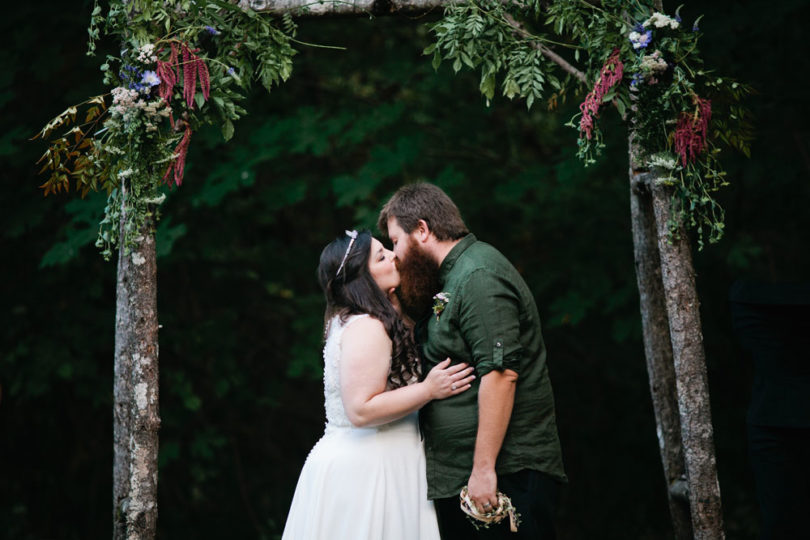
Some time ago, I wrote a piece about Atheopagan Rites of Passage. In it, I described life milestones that might be celebrated by an Atheopagan, and which we as Atheopagan “clergy” (we’re all clergy, since we have none) might be asked to officiate over. On reflection, it occured to me that just talking about these rites of passage probably isn’t helpful enough: that having some guidelines for each such rite would be helpful to the community. So here is the third installment in the series Rites of Passage: Handfastings and Dissolutions. More has been written, imagined and published on weddings (or “handfastings” in Pagan parlance) than on any of the other…