-
The Sacred Body
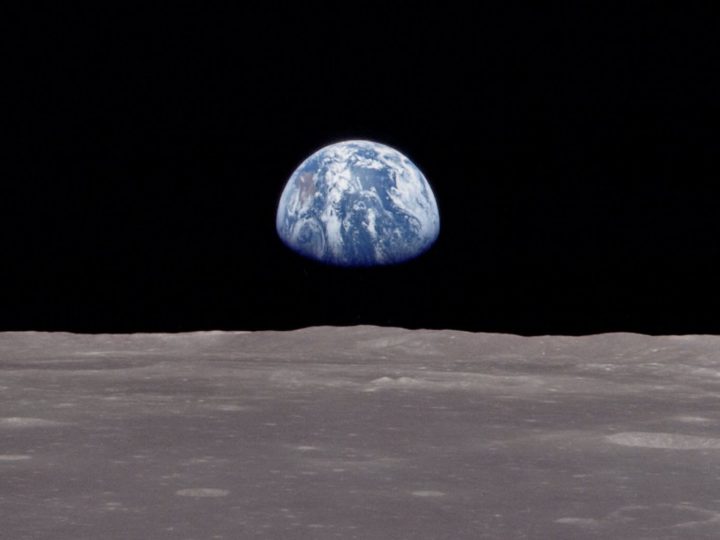
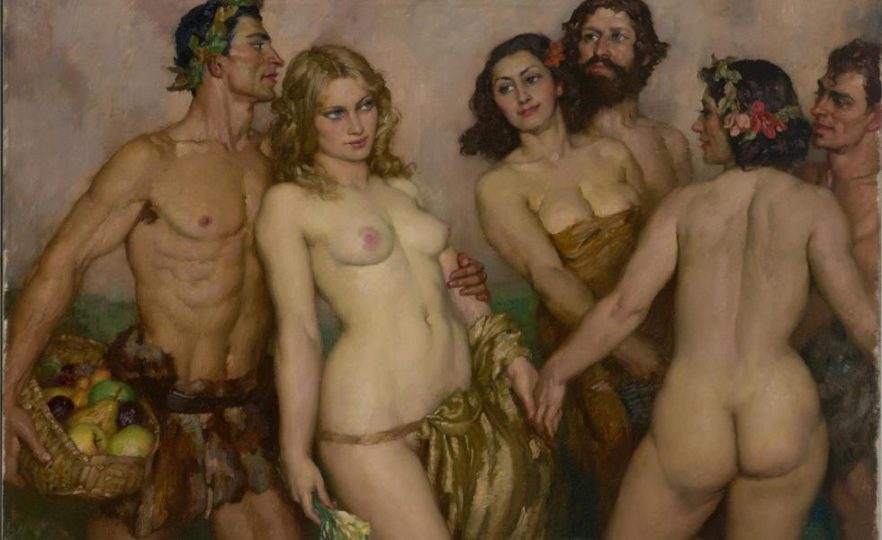
We are unique manifestations of the Universe. Each of us is a roll of a billion dice, a singular event in the history of the Cosmos that has never been before, nor will be again. And what we comprise—all that we are, insofar as the available information would indicate—is of our bodies. We are our bodies. It is our bodies which perceive, which act, which experience. Our bodies which think, which feel, which create. Our bodies are, in fact, the Universe perceiving itself. The Cosmos crafted each of us, according to physical laws played out in near-miraculous, painstaking detail. Each of us is a magnificent expression of the Universe…one that…
-
Some Language I’m Not Going to Use Any More: An Apology
This post is an apology. It has now been more than two years since I waded into the broader online Pagan conversation on behalf first of myself, and then of what has turned out to be the many Pagans who do not believe in literal gods. In those early days, the posts of myself and others like John Halstead and John Cleland Host were received in some quarters with bitter hostility. As a result, I became defensive. And when I’m defensive, I’m often acerbic. “Hard theists” and I aren’t going to agree cosmologically. We have fundamental disputes over the nature of the Universe itself, and those cannot be reconciled. However,…
-
Summer’s End
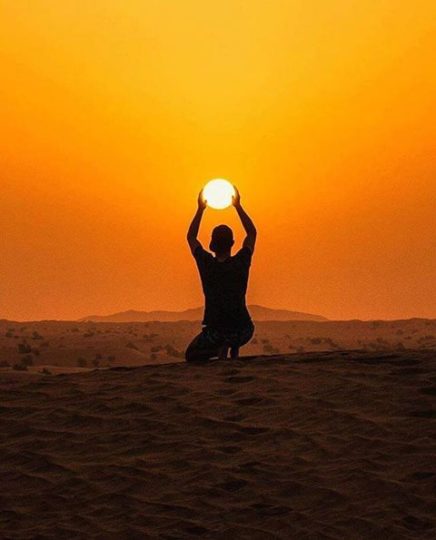
As I celebrate the Wheel of the Year, the midpoint between the summer solstice (Midsummer) and the autumnal equinox (Harvest) is Summer’s End. I call it that because this is the moment when Autumn first becomes detectable in my region: in the angle of the light, in the hard blue of the sky, in the sputtering of the fog cycle to bring searing hot days, and in the first turning of early leaves. Summer’s End’s metaphorical meanings relate to work and craft, to technology and toolmaking and effort. It is the time when the harvests of hay and blackberries and early summer vegetables are at their height, so there is a lot of work…
-
Coming Home to Atheopaganism
Honestly, it’s the most heartwarming thing. Because I know the feeling so well: the feeling that I’m the only one, that there must be something wrong with it. That I must have missed something. When I first discovered Paganism in the mid-1980s, an opening in my heart signalled that I was discovering a part of myself that had always been missing. The reverence for the Earth, the seasonal ritual celebrations, the core values, the warm community spoke to me of all that I had longed for without even knowing it. I was swept with love, and it was only after many years of slowly accumulating experiences of dysfunction and willfully…
-
Ritual Technologies: Movement
Since probably before humans were even human, there has been music. Rhythm, at least. And where there is rhythm, there is dance. There are preserved footprints in painted caves in France that indicate young boys dancing 20-30,000 years ago. Some ritual dances are still performed today after untold continuous centuries. Ritual isn’t just something that happens in our heads. When effective, it is an immersive experience, involving our entire beings. We are not, after all, just brains carried by flesh robots…our nervous systems extend throughout our bodies and participate heavily in our brain states. Effective rituals involve some kind of engagement of the body: singing, for example, or clapping, dancing, walking, or other movement…
-
The Fire Circle: An Ecumenical Ritual Tradition
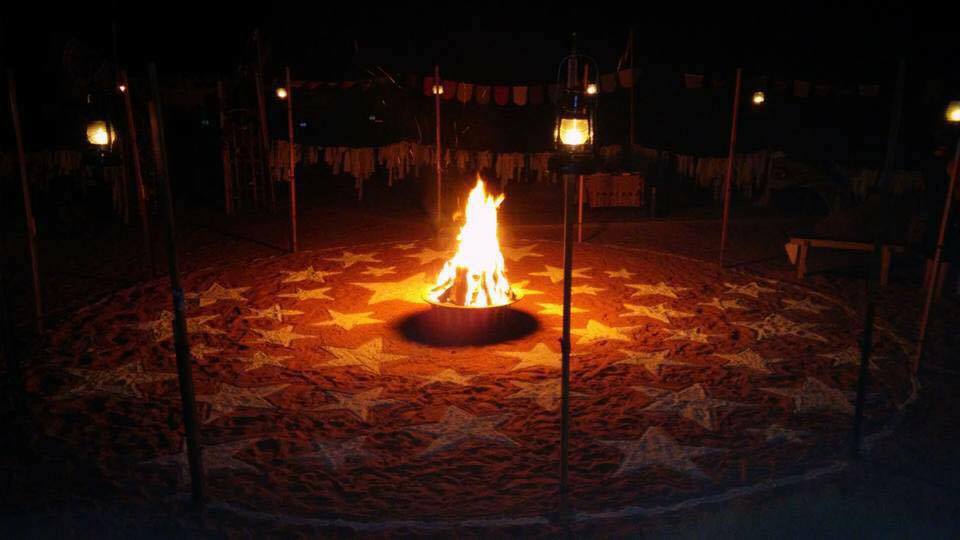
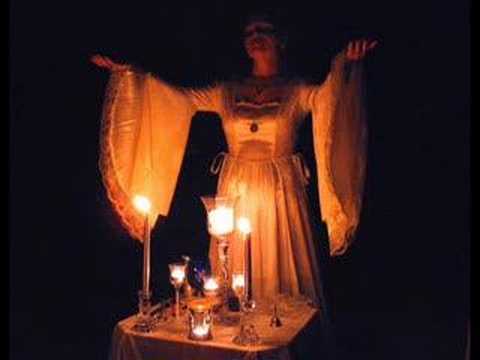
I am a member of the Spark Collective, based in the East Bay of the San Francisco Bay Area, which holds monthly indoor “fire circle” rituals (around a centerpiece of candles, instead of an actual fire, of course). These are a way of maintaining and building community for fire circle aficionados throughout the course of the year. But there is nothing like a true outdoor fire circle in Nature. This is a ritual tradition that has been under development at Pagan festivals since the early 1990s and is now the operational structure of multiple festivals held throughout the country. Spark holds a “real” fire circle festival in the summer, and I just…
-
Ritual Technologies: Scent
As I’ve mentioned before, the most powerfully evocative of the human senses is the sense of smell. The olfactory centers are in the most primitive parts of the brain, and they can summon vivid memories in an instant, simply from a remembered scent. For thousands of years, people have burned incense and aromatic herbs such as sage, yerba santa and sweet grass to alter the mood and atmosphere around them. They have daubed themselves with perfumes and oils, brought bouquets of aromatic flowers into their homes and temples, and scattered flowers over their dead. Indeed, we have evidence of flowers in burials of Neanderthals from 60,000 years ago; whether this was because they…
-
Ritual Technologies: Rhythm
The first musical instrument was almost certainly something resonant being struck: a hollow log, a dried gourd. In fact, percussive rhythm may predate humans as a species: monkeys have been observed beating on hollow logs in a call-and-response with other monkeys. Certainly the noises made while pounding seeds and roots into meal would naturally have become a source of play, even for pre-humans. Despite this near-certainty, we don’t have any fossil evidence of Paleolithic drums. Only flutes, because they were made of bone and could survive. Still, in every culture of the world, we find percussive instruments, and with them, percussive play—often in a context of religious ceremony. Drumming and…
-
Developing a Focus
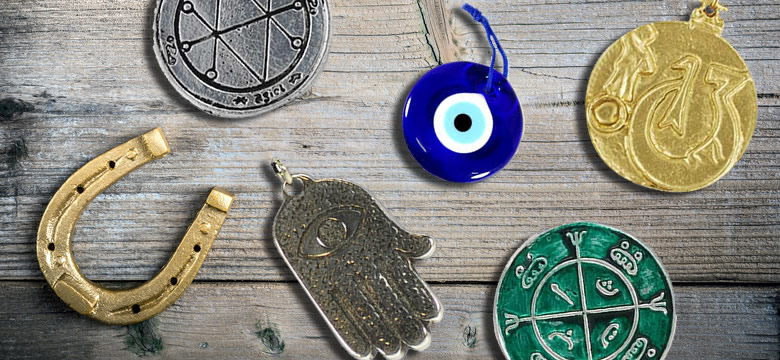
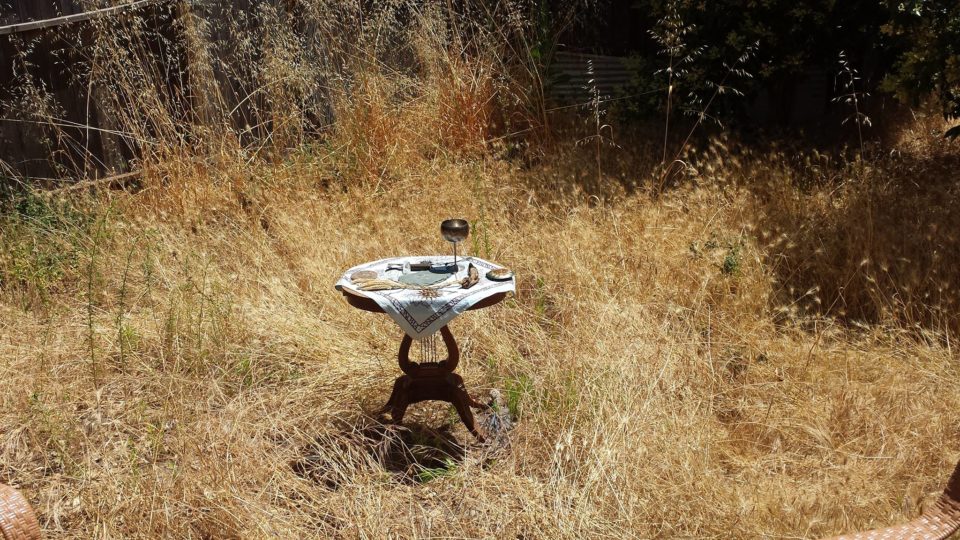
A Focus is an Atheopagan word for an altar. I use this word because “altar” seems to me to imply worship and/or sacrifice, neither of which are components of my religion. The Focus is: A curated collection of meaningful objects gathered together for ritual use and placed upon one or more surfaces in an intentional pattern. These objects may be of practical use in a ritual, or chosen solely for their symbolic meaning to the person or people creating the Focus. A Focus may be built anywhere with horizontal surfaces on which to place the objects: a shelf, a table, a mantle, a tree stump, or simply the ground. Often, the…
-
Values and Self-Development in a World without Gods
Atheopagans don’t believe in gods. We don’t believe there is a Cosmic Plan beyond the simple unfolding of the Cosmos according to physical laws. We don’t believe in an afterlife. We believe that science tells us all that can reliably be known about the nature of the Universe. Many who do believe in gods see them as defining the moral structure of their lives. They are prone to demand of atheists: how is it that you are not amoral sociopaths? To which we reply: because our morality is within ourselves, not defined for us by some external authority. We do not need marching orders, threats or inducements from gods in order to be…