-
Audio: The Guardian Trees
Another in my series of Sonoma Stories: mythology for a sacred landscape of meaning. Text version here.
-
Mythology: The Guardian Trees
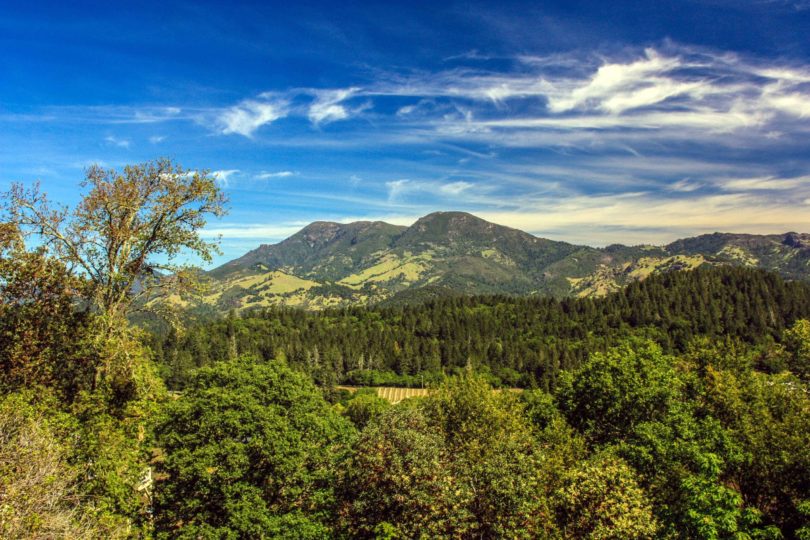
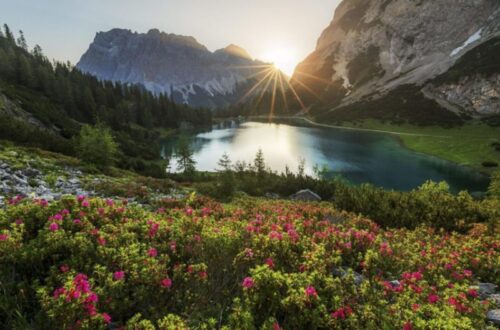
This is another in my series of mythological stories about Sonoma County (see “Storytelling and the Mythic Landscape”.) What if this happened, long ago? Now, everyone knows that the Sacred Earth gives birth to all of us, and takes us back into itself and makes new creatures when we die. This is the way of Life: those whose time has come are eaten to sustain the living, and when our time comes, we get eaten, too. But what some people don’t know is that the Earth does the same thing with the very lands themselves, like our Sonoma. When their time is done, they, too, go back into the ocean, the source…
-
Is Atheopaganism Political?
People’s relationships with the world of public policy, elections and world affairs vary widely. For some, they are background noise, irrelevant distractions to the matters of their own lives, beliefs and practices. There are many Pagans like this. While they may espouse political opinions or share memes on Facebook, they’re not doing much to change the world through political or activism channels. Some of them don’t even vote, expressing the bizarre idea that by refusing to take a stand in an election, they are somehow taking a more important stand in a larger context. (Personally, I don’t get it. I don’t see how one can believe that doing nothing is…
-
Crickets, Time, and Paying Attention
This time of year, the chorus of crickets is a nightly affair. It’s evocative. It speaks of every summer evening there ever was. As it turns out, there is more to cricket’s song than the equivalent of “Hey, baby!” in High Cricket. Think about the speed at which a cricket lives: at room temperature, its heart beats many times faster than that of a human being. It lives only about 90 days. So slow it down. Slow it down until the sound is at the relative speed of a human life. And what it becomes is angelic. The cricket’s song reminds me to slow down and pay attention. Life is fleeting. There are…
-
Guest Blog: The Sacred Profane by Chloé Thorne
The following poem is entitled, “To Nature”, and it was written by Samuel Taylor Coleridge in the late 18th century. Though Coleridge was a devout Christian and transcendentalist who saw Nature as an expression of his God, he greatly revered Nature as the pinnacle of that God’s expression, his words ringing just as poetical and true when we substitute the idea of “Nature” for gods altogether. It closely aligns with what I feel when I, as a part of Nature myself, am immersed in the abundance of Nature’s awesome presence. Besides, I’m not going to deprive myself of beautiful poetry simply because it was penned by a theist. To Nature…
-
Audio: Storytelling and the Mythic Landscape
Another in my series of Sonoma Stories: mythology for a sacred landscape of meaning. Text version here.
-
Audio: My Favorite Ritual Tool
This is a test of podcasting function for AP.
-
My Favorite Ritual Tool
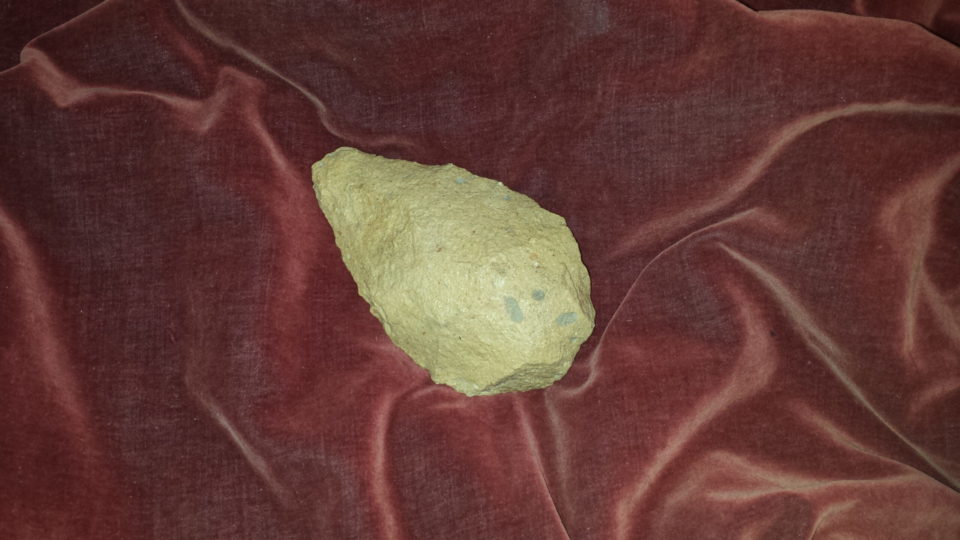
Ritual tools are personal things. They are objects that we find evocative, meaningful, symbolic. They whisper stories to us, and those stories are folded into the meaning of the rituals which we perform with them. Atheopagans vary widely in the kinds of ritual tools they use, including those who don’t use tools at all. The use of tools in rituals—typically, ritual knives (“athames”), wands, patens or pentacles, chalices and incense burners and so forth—is one of the threads of Western occultism that was woven into the fabric of Neopaganism as it arose in the mid-20th century, and it persists today in most of the Wicca-style Pagan traditions. I use tools…
-
Storytelling and the Mythic Landscape
Throughout human history, religions have communicated their values and moral codes through storytelling. Both oral traditions and literate societies passed their metaphorical teaching stories from generation to generation. These stories illustrated the values of their cultures, gave explanations for how they had come to exist as distinct groups, and often populated the home landscapes of these cultures with mythological beings and histories. As a whole, such myths had the effect not only of passing along the beliefs of their peoples, but of enchanting their landscapes. Major features of the lands where these people lived—rivers, mountains, geological features— became associated with stories of heroism, discovery, innovation, and lessons learned. Where I live—North America—the vast…
-
Accountability: a Pagan Missing Piece?
There’s been some discussion of the concept of “sin” in the Pagan blogosphere lately: here, and here, and my own contribution some time ago, here. Now, I should say: that’s a freighted word for many people, but not so much for me. I was never a Christian, nor a Jew nor Muslim. So I don’t feel the oppressive weight of the concept of sin that those religions transmit. Please bear this in mind as you read the following. I’ve been involved with the Northern California Pagan community for a long time–30 years next year. And in that time, I have seen a deep imbalance between the community’s orientation to pleasure-seeking…