-
The New Ones
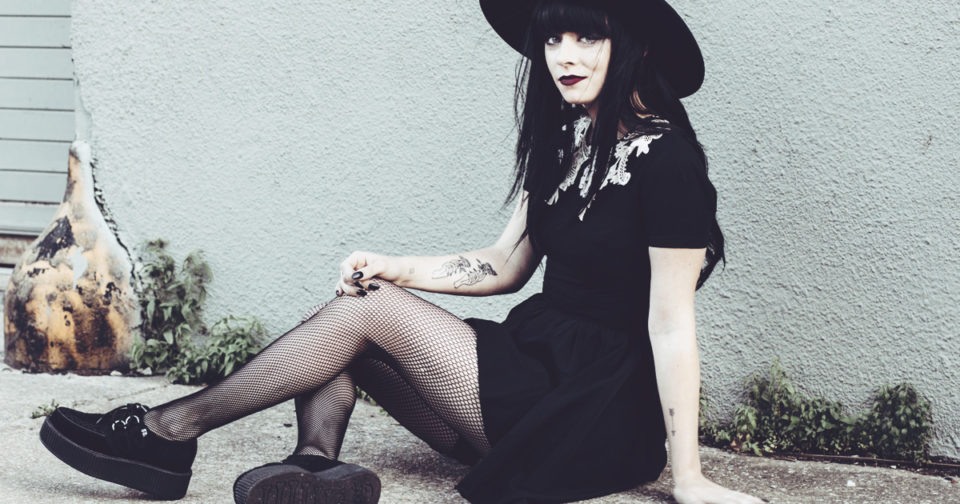
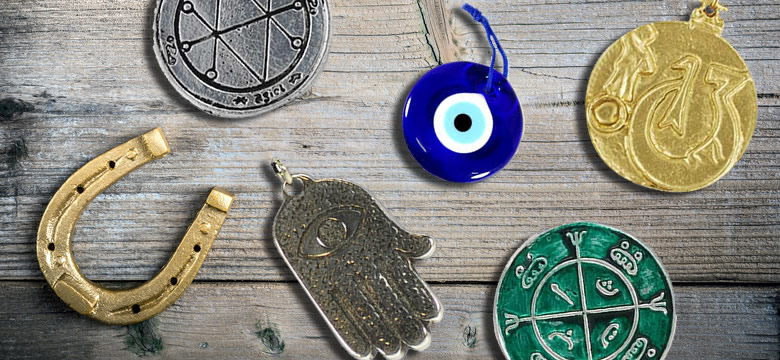
Much has been made in both the popular and Pagan press recently about the “witchcraft fad”. There is lots of witchy imagery in media and popular culture right now, including fashion, television, film and literature. Witchcraft, so they say, is having a moment. And not just in the media, but in reality: self-described witchcraft (which has at least some nexus with what we generally call Paganism) is enjoying a surge of interest. People—particularly Millennial and Generation Z women —are enthusiastically embracing not only a witchy/gothic aesthetic, but practices such as Tarot reading, creation of their own ritual “spells”, and in many cases, Earth-devotional or Goddess-oriented spirituality. The response of established…
-
In the Cold Midwinter
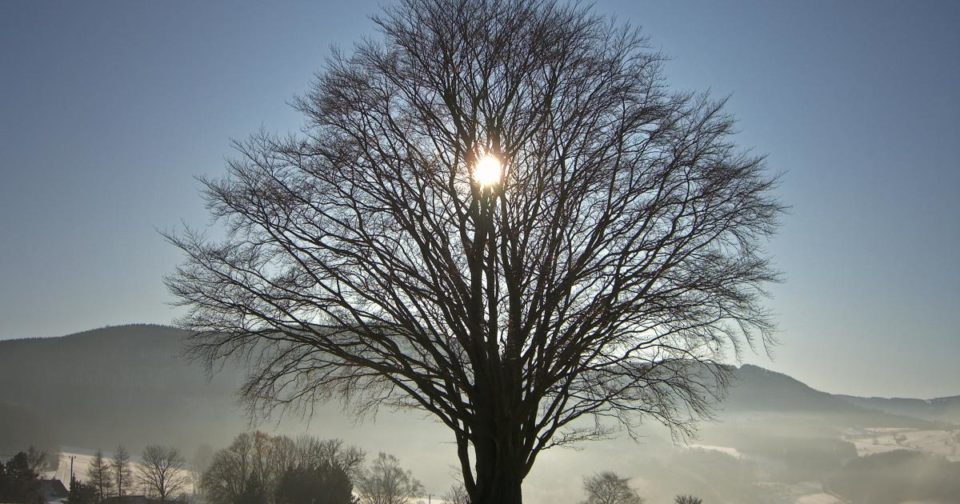
Today, the Wheel turns again: a new year is born and the sun begins its long swing back to warm the northern hemisphere. It has been a challenging year for me. I have been unemployed the entire time, and survival has been a severe struggle. But one bright spot in my life has been Atheopaganism and the growth of our community. I wrote over a hundred posts to the website this year, on topics ranging from sigils and candle rituals to rites of passage to sexual ethics in the Pagan community. We had guest posts on various Atheopagans’ practices, and we selected a beautiful symbol for our tradition: the suntree.…
-
Starting a Practice, Creating Rituals
For those who are starting out on an Atheopagan path—or any Pagan path—it can be bewildering to know how to start a practice. Fortunately, Atheopaganism is in many ways easier to “learn” than other Pagan paths, because there aren’t any procedural rules about how to do things, and you don’t have to have anyone else teach or “initiate” you to get started. You can and should craft your practice to fit you: to be consistent with the climate where you live, the symbols and meanings that matter to you. You don’t need to learn tables of correspondences or memorize invocations or learn the metaphorical associations of the four directions of the compass (though…
-
Candle Rituals
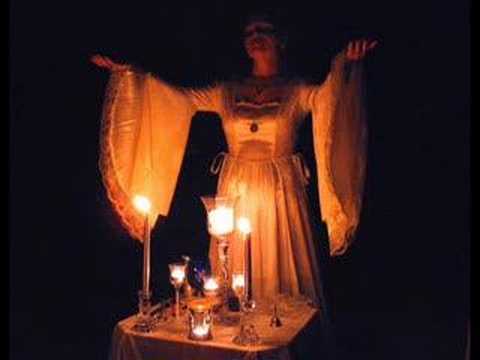
One of the more characteristic “witches’ tools” used in rituals is the candle. There are many ways we can work with them to create psychologically powerful and effective rituals. Candles provide a “magical” atmosphere for many reasons. Low light conditions tend to provoke a spooky desire on the part of people to be quieter, possibly as a result of our roots as diurnal animals afraid of nocturnal predators. Flickering golden light provides a soft, hushed ambience that works perfectly on a Focus (or altar) and which is conducive to the brain’s Ritual State (aka trance, or “flow”). And after all, lighting candles is a rather “magical” act, in that it creates…
-
Winter Monsters
In central Europe, tonight is Krampusnacht, the night when the goat-demon Krampus, a terrifying figure, wanders abroad dragging his chains to whip misbehaving children with a bundle of birch twigs, stuff them in a sack and take them away (to hell, presumably, in the Christianized version of this probably pre-Christian tradition). You can’t escape Krampus if it is after you. The best you can do is offer it schnapps and hope that it will let you go. Krampus has experienced a bit of a Renaissance in recent years, mostly as an amusing and quaint throwback. While small children may be frightened at Krampus parades, adults are all smiles. And displayed everywhere, of…
-
GUEST POST: When in Rome: My Road to Roman Atheopaganism
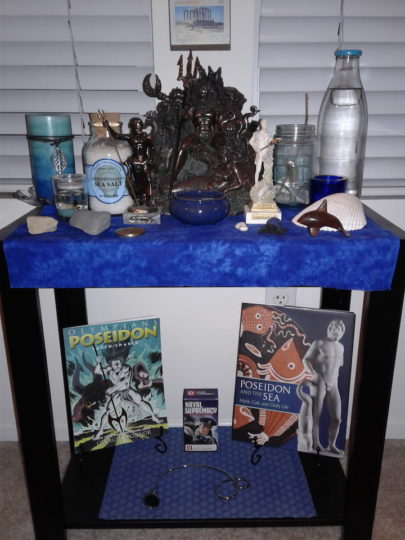
Today we offer a guest post by Daughter of Neptune, who is creating her own nontheist Pagan practice focused on the archetypes of Greek and Roman deities. All roads lead to Rome and it was on my intellectual journey to Ancient Rome that I became an atheist pagan. I love learning the history, culture, and language of the Republic-cum-Empire and often wonder what it was like to live under the Caesars and to fight in the legions for the Glory of Rome. Last year, in reading a biography of Caesar Augustus, I was struck by an image of him capite velato (with his head veiled) to perform religious rites as the…
-
Effective Atheopagan Leadership: a Curriculum
As I’ve written before, my conceptualization of Atheopaganism as a path and a tradition does not incorporate concepts of degrees of advancement, or “clergy” as an elevated status within the religion. I just find such hierarchies to be fraught with too many pitfalls, ranging from “higher-level” persons gatekeeping access to knowledge and training from lower-level ones, to those with “status” potentially being able to leverage that status in unhealthy ways ranging from minor pomposity all the way to harassment and abuse. The whole idea of “initiations into secrets” is a holdover from secretive organizations like the Masons, with their roots in the Romantic movement of the 18th and 19th centuries. There…
-
Noble Ancestors
We have our real ancestors–blood relations, going all the way back to single-celled organisms if we go back far enough. But there are also those now dead whom we admire for their exemplary qualities: their courage, their intelligence, their wisdom. While they won’t have followed an Atheopagan path (as we’re just getting started), they still loom large in our memories. I think of these “Noble Ancestors” as the equivalent of Atheopagan “saints”: they were once real people, and they exemplify various qualities we admire. In fact, I have been known to refer to “Saint Carl (Sagan)”, “Saint Galileo”, “Saint Nelson (Mandela)”, “Saint Stephen (Hawking)”, “Saint Charles (Darwin)” etc., with tongue…
-
Yuletide: A Compendium
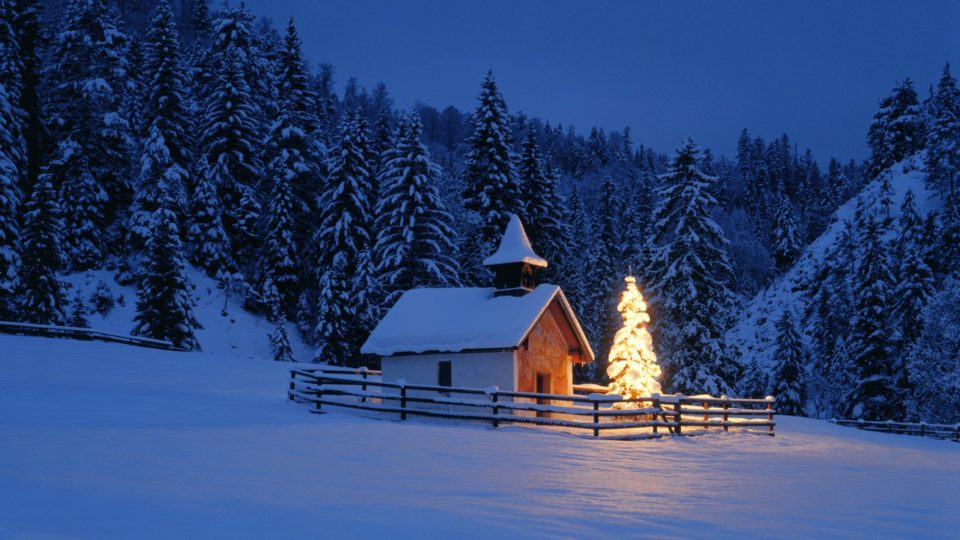
Over the years, I’ve posted quite a bit about my Atheopagan Yule traditions. I thought I’d pull links to them together here for easy reference. Yule, overlapping so heavily with the Christian/secular holiday of Christmas, is a time when many of our Pagan traditions are widespread, and with many old threads of lore and practice layered over one another. Whether your household goes all out, with a tree and gifts and parties and the Holly King in his guise as Saint Nicholas, or simply lights candles to call back the light into the world, it is a time of both hope and fear, a time for reflection on what has…
-
Happy Wolfenoot!
Some time ago, I wrote about non-Sabbath holidays: special days we celebrate other than the 8 observances of the Wheel of the Year. These can be anything we find meaningful, whimsical, or important to remember. This year, a 7-year-old boy invented Wolfenoot, a holiday about wolves and dogs. The concept is simple: on Wolfenoot… It is when the Spirit of the Wolf brings and hides small gifts around the house for everyone. People who have, have had, or are kind to dogs get better gifts than anyone else. You eat roast meat (because wolves eat meat) and cake decorated like a full moon. From the Wolfenoot website Adorable, right? This concept has caught…