-
The Spring Fast
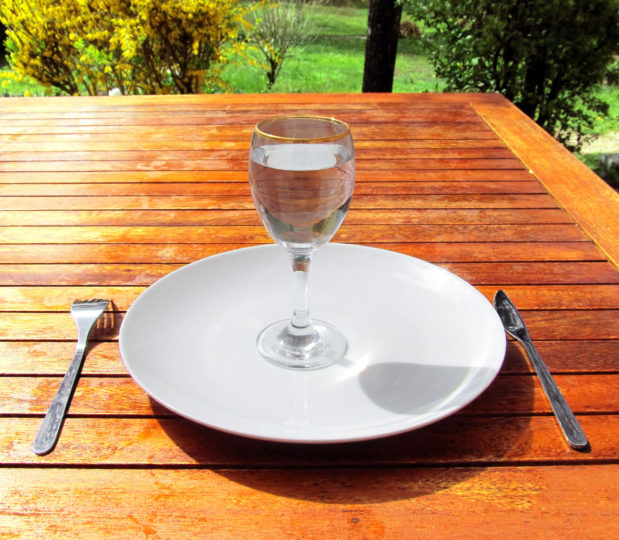
John Halstead over at Patheos has an idea that I think is so great I am adopting it for myself and want to it capture here so other Atheopagans can consider it: “Lent for Pagans”, or what I am calling the Spring Fast. February and March were historically the leanest time for Europeans: the stores were growing thin, the good stuff had been eaten already, nothing had yet grown which could be gathered, and the party of Yule was long past. No surprise that customs of giving things up for religious reasons developed—culture, after all, is often driven by practical economics. The Catholic Church got something right with its conception of Lent. It’s…
-
Exploring the Atheopagan Principles: Principle 13—Kindness and Compassion
This is the (expected) final post of a 13-part series on the Atheopagan Principles as I described them in my essay, “How I Became an Atheopagan”. To read the whole series, click on “Atheopagan Principles” in the tag cloud to the right. The thirteenth Atheopagan Principle reads, “I practice kindness and compassion with others and myself, recognizing that they and I will not always meet the standards set by these principles.” In the end, kindness and compassion—rather than anger, judgment and resentment—are the best means to live a happy life. It is far easier to carry around a nuanced understanding of a conflict that acknowledges the humanity of the person who has…
-
Exploring the Atheopagan Principles: Principle 12—Integrity
This is the next-to-last of a 13-part series on the Atheopagan Principles as I described them in my essay, “How I Became an Atheopagan”. To read the whole series, click on “Atheopagan Principles” in the tag cloud to the right. The twelfth Atheopagan Principle reads, “I conduct myself with integrity in word and deed.” This one sounds a bit stuffy. It’s an absolute statement and seems to imply that Atheopagans should be Boy and Girl Scouts. But I really don’t mean it that way. Integrity is actually the path of least resistance for a lower-stress, higher-happiness life. Even though at times it forces you to stand up for something unpopular—or to acknowledge some…
-
Exploring the Atheopagan Principles: Principle 11—Curiosity
This is the eleventh of a 13-part series on the Atheopagan Principles as I described them in my essay, “How I Became an Atheopagan”. To read the whole series, click on “Atheopagan Principles” in the tag cloud to the right. The eleventh Atheopagan Principle reads, “I understand that knowledge is never complete. There is always more to be learned.” It tells us to be curious and open-minded. This is a core value for anyone following a scientific cosmology, because science must be open to learning that its previous conclusions were inaccurate or incomplete if it is presented with evidence which compels a change in understanding. It doesn’t mean believing or taking seriously…
-
Report: Atheopagans at Pantheacon 2015
I’ve just returned from Pantheacon (PCon), the largest indoor gathering of Pagans in North America. Running from Thursday through Monday over Presidents’ Day weekend in February each year, PCon attracts 3,000 members of every conceivable tradition to conduct and attend workshops and rituals, to share information and fellowship, and to discuss issues facing the community as it evolves. I have attended it perhaps a dozen times since the early 1990s, and for the past two years I have worked the convention as a staff member. My overall experience with this year’s PCon was splendid! I saw and visited with many friends and loved ones, met new friends, attended fascinating discussions and…
-
Engaging the Work: My Next Frontier
Atheopaganism is about increasing our capacity for happiness and engaging our responsibilities to the Earth and to our fellow humans. As such, it requires us to look at ourselves and the world with both curiosity and compassion; to see where there is work to be done. For me personally, after years of resistance I am coming to confront that a large portion of my work now relates to inhabiting my body. I was raised only to celebrate the accomplishments of the mind. In my family, I saw no modeling of physical recreation or exercise, and as a result, I was always the kid who was reading a book during recess. I…
-
I Couldn’t Say It Better
John Halstead has a great post over at The Allergic Pagan on Patheos that I think any Atheopagan will find worth a read, thoughtfully challenging the pitfalls of thinking that can arise when those with a naturalist/humanist approach to Paganism consider their sisters and brothers who believe in gods…and vice versa. In the wake of this year’s Pantheacon—and there is so much to say about my experiences there that I will probably have several posts about it—I encourage you to take a look. Even as Atheopaganism and other paths of Paganism with a naturalistic approach to cosmology grow, become more visible and take their places in the constellation of Pagan…
-
Exploring the Atheopagan Principles: Principle 10—Responsible Sensuality
This is the tenth of a 13-part series on the Atheopagan Principles as I described them in my essay, “How I Became an Atheopagan”. To read the whole series, click on “Atheopagan Principles” in the tag cloud to the right. The tenth Atheopagan Principle is the first that comes with fine print. It reads, “I celebrate pleasure as inherently good…so long as others are not harmed in its pursuit and the Four Pillars (Life, Love, Beauty and Truth) are respected.” This Principle confronts a core dilemma of our nature as complex animals with sometimes-conflicting drives. Because let’s face it: We are built to seek pleasure. That’s why it’s pleasurable. Our…
-
Come See Us at Pantheacon!
We’re doing three events at Pantheacon, all in the Pagan Scholars’ Den (Room 967): Godless Pagan Meet and Greet (lunch and wine served): Saturday, 12-3:00 PM Godless Bless: A Panel on Atheism and Paganism: Sunday, 1:30-3:00 PM Atheopaganism: A Workshop and Ritual: Sunday, 3:30-5:00 PM Hope to see you there!
-
Exploring the Atheopagan Principles: Principle 9—Social Responsibility
This is the ninth of a 13-part series on the Atheopagan Principles as I described them in my essay, “How I Became an Atheopagan”. To read the whole series, click on “Atheopagan Principles” in the tag cloud to the right. The ninth Atheopagan Principle is “I acknowledge that freedom is tempered by responsibility.” It means that we are not merely responsible to ourselves; we have responsibilities to others around us and to our society as a whole, and these form legitimate limits to our liberty. We are not the only humans on Earth, nor are humans the only species. Principle 9 reminds us that we are, to some extent, our brothers’ and…