-
In the Season of Fire
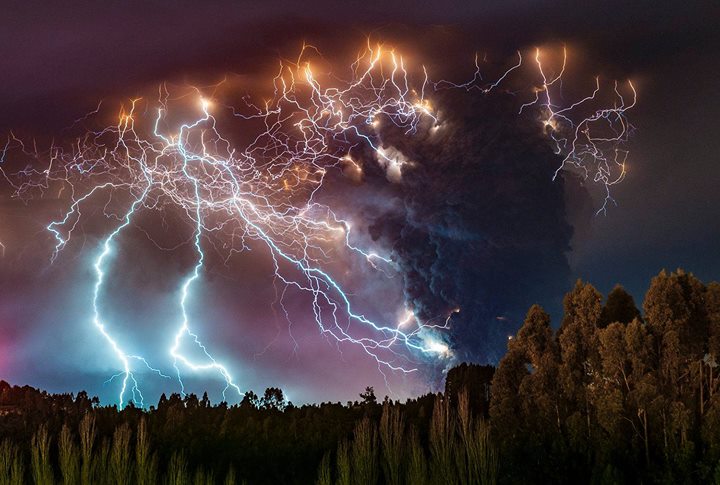
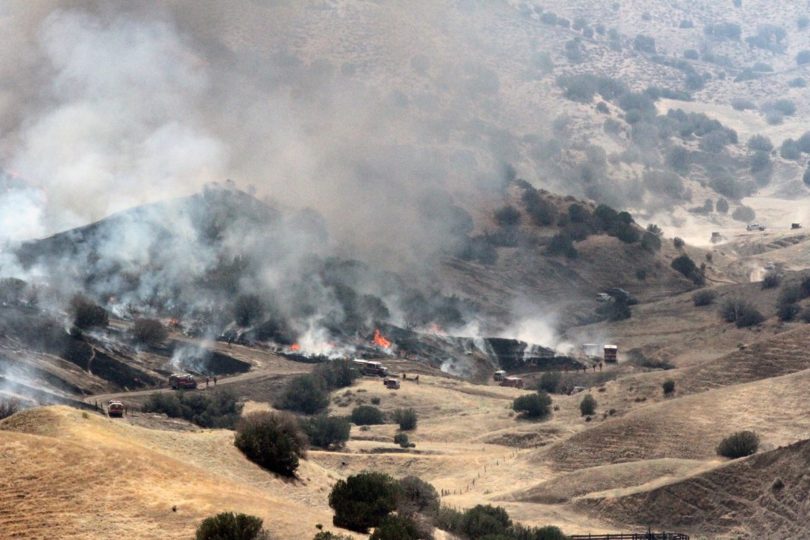
California, it is said, has four seasons: flood, mud, fire and earthquake. With fires raging and an unprecedentedly large El Nino forming for the coming winter, I suspect we’ll see a lot of the first three in the coming months. As to the fourth, who knows? As I write, the Valley Fire in Lake County has burned more than 40,000 acres and 1,000 homes, and has destroyed Harbin Hot Springs, a clothing-optional resort which was for many years the site of the Ancient Ways festival, a Pagan festival which once drew thousands of attendants. AW died out some years ago even as the other event produced by Glenn Turner, Pantheacon,…
-
Returning to a Space of Our Own
Recently, Niki Whiting at Patheos advised her readers not to read the work of those who are “mean”, and specifically named me as one such writer. It’s not hard to see why. A core truth of Atheopaganism clashes with a treasured precept of the hard theist. We don’t believe in literal gods. They do. So in the very articulation of my beliefs, I am—if you see it that way—”mean” to those whose are opposite. And do I cushion my position much, so as not to offend? No, I really don’t. I don’t, because I don’t see many examples of those in the theist camp making the slightest accommodation in the other…
-
Castles in the Air
John Halstead has published a characteristically provocative piece in which he calls out John Beckett about the advisedness of the so-called “polytheist revolution”. Please go read them both; this post won’t make a lot of sense without them. I agree with Halstead completely on this matter, but for somewhat different reasons. The first is cultivation of an appropriate sense of scale. Pagans generally and polytheists particularly are a handful of people on a multi-billion-person planet, and their so-called revolution is, therefore, mostly in their minds rather than in fact. I think it would behoove all of us to stop talking about world transformation as if it’s a thing we can actually do–it…
-
Humans are Fallible. That Includes Theists.
John Beckett at Patheos has responded to my blog post, The Religion That Dares Not Say Its Name. His response is frankly disappointing. Beckett takes issue with my suggestion that theists preface their claims with “I believe”, and that atheists do the same. While acknowledging that beliefs can be wrong, his claim is that by saying “I believe”, theists would undermine the confidence communicated in their expressions of faith; that, by admitting the possibility that they may be wrong, they are opening the door—albeit just a tiny crack—to admission of the chance that what they so fervently believe is factually untrue. “In the atheist-influenced reaction to this culture,” he writes, “that…
-
“Pantheism, Archetype, and Deities in Ritual, Part 3” by Shauna Aura Knight
More, and powerfully, effectively communicated. I recommend Pt. 2, also but reblogging the whole series feels like stealing rather than excerpting. Go find it at humanisticpaganism.com!
-
“Pantheism, Archetype, and Deities in Ritual, Part 1” by Shauna Aura Knight
This is a wonderful description of an approach to ritual that is very close to mine. I consider that “experience of the divine” to be a particular numinous brain state that is a neurochemical phenomenon, but the point is arriving at that state. That’s what ritual is for, whatever you believe about what it is doing.
-
The Religion that Dares Not Speak its Name
The provocative John Halstead has kicked the hornet’s nest again with his posts critiquing elements of modern Paganism, and defending the legitimacy of doing so while still identifying as a Pagan. This sort of thing foments much unhappiness on the part of some theist Pagans, and in response, John Beckett has penned something suggesting that you can’t both be a Pagan and “look down your nose at it” (the second Halstead piece is a response to this). I suggest you read all three of these pieces. Go ahead, I’ll wait. Increasingly, my experience of Pagan theists in relation to Pagan atheism is no longer that they want to kick us out…
-
Atheopaganism and Learning to Love
As humans, we can’t really help but view many of our relationships as transactional: I give you X, and you give me Y. If I’m extra-good/nice/obedient, you may give me Z. It’s how we learn to relate to our parents, and sadly, many adult relationships are still based on a transactional model. If they were not, there would be no such thing as diamond jewelry. As Atheopagans, we understand that we are part of the broader Universe. We thus have relationships with one another and with the Universe as a whole. But we know that the Universe isn’t listening to us, judging us, expecting us to “evolve” or develop “wisdom”, or…
-
The Truest Safety Net
I called my brother yesterday, for his birthday. I left a message. I haven’t heard from him in eighteen months…although I did the same thing last year, too. We last spoke in January of 2014. We aren’t estranged. At least, I don’t think we are. I think he’s at a loss for what to say in relation to the struggles my life has manifested over the past few years, and that awkwardness makes it possible for him, in his busy life, just to never…get…around to calling me back. I think that the very topics of mental health and poverty terrify him so much that it’s just easier for him to…
You May Also Like
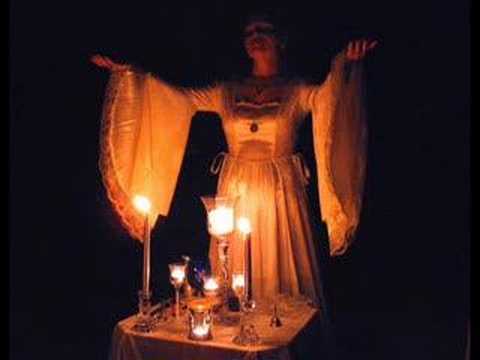
Atheopaganism for Solitaries
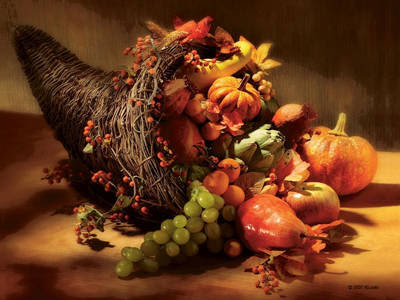
Recipes for Sabbath Feasts
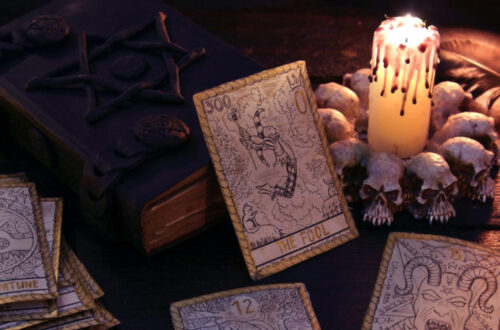
An Atheopagan Tarot Spread
-
Midsummer: The Sabbath of Ease
We’re now in the long, golden days of the Northern Hemisphere summer, approaching the very longest day: Midsummer. Historically, for those of us whose forebears are European, this was the time of year when grain crops were in the fields and not yet ready to harvest, but fruits and early vegetables were plentiful along with milk and meat. Though our ancestors lived lives of hard toil, this time of year was easier than any other: long, warm days with not that much to do but gather the day’s food and tend to the animals. So what do humans do when they have time available? They play, and they create art and…