-
Mysterious Impulses
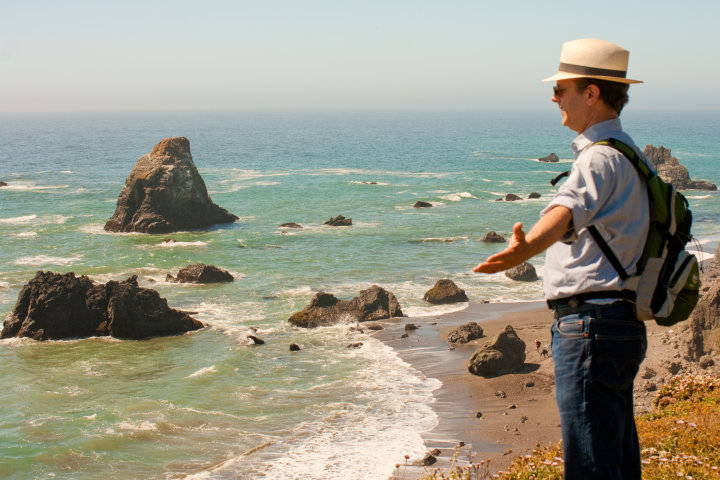
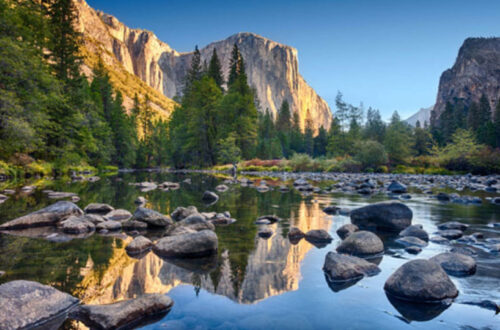
It’s a big subject, what it means to be human. We ask it in science, and in art, in literature. We get some answers. Neuroscience and anthropology have identified many facts about our species. But I’ve been thinking a lot about the mysteries of human nature lately. Like: what’s up with music? Why do we make it? Why is music a thing that is so important to us? And dancing? A completely unproductive expenditure of energy. Yet we love it. It’s ubiquitous. Perhaps just as mysteriously, why do we gravitate to bodies of water? Particularly to moving water, like waterfalls, the ocean, large lakes with tidal effects? Yes, we must…
-
In a Dream of Incense and Candlelight
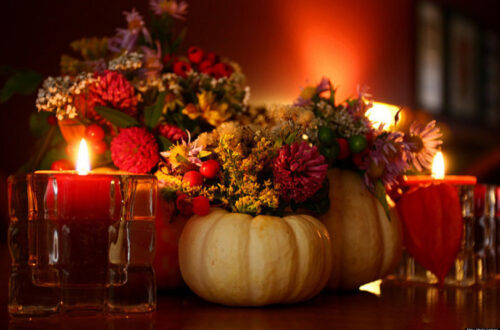
My Focus is densely populated, because I like it that way. It is rich with meaning and history: places I have been, things I associate with important principles. In its candlelight, illustrations of cave drawings from 35,000 years ago flicker. A Homo Erectus stone tool rests for a tiny percentage of its existence. Images of the Earth, of the Hubble Deep Field image, of rivers I’ve run and canyons I’ve hiked, and precious, beautiful things from Nature; symbols of my chosen family and of this community; A chalice of rain water; a bouquet of wheat; a quartz crystal and one of tourmaline; a slate engraved with a triple spiral; a bowl…
-
Pilgrimage Hiking
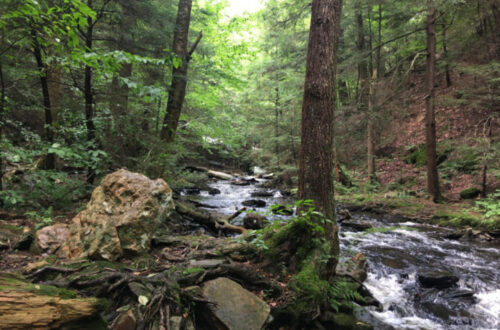
Walking in nature is a very healthy thing to do. It’s exercise, it fills your lungs with good air and your eyes with beauty, it reduces stress and blood pressure and depression. It is a sacred activity and, all by itself, constitutes an “informal” Atheopagan ritual. This article is about adding a symbolic, ritual dimension to a hike in nature: turning a walk into a pilgrimage to a special place with meaning and significance. Here’s how: 1. Identify a destination for your hike: a spring, a pool, a waterfall, a rock formation, a particular stand of trees, a mountaintop, a spectacular overlook. 2. Decide what that destination stands for (a theme…
-
Rituals Are Important. But They Aren’t Activism.
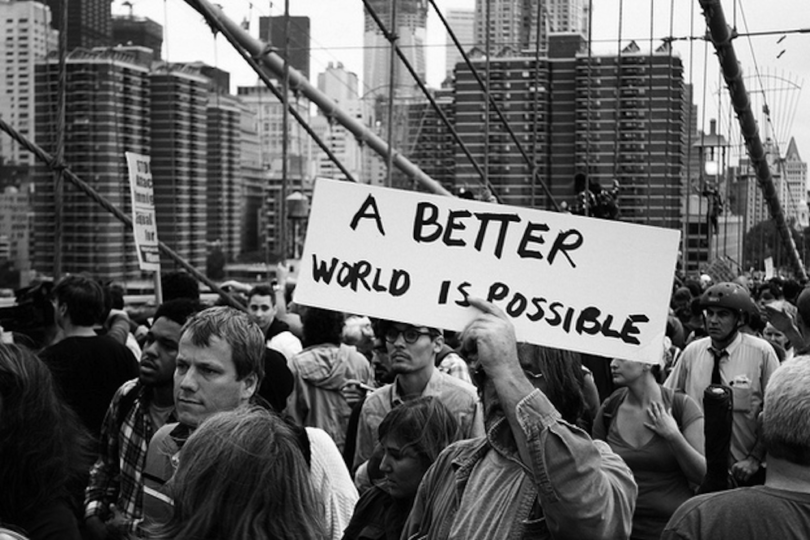
In times like these, those of us who are of sound mind and values know: we must do something. In Atheopaganism, we believe in the power and necessity of human ritual. We understand the science about why rituals work, and why they are important to us. We celebrate the turning of the seasons and personal and familial milestones in life, and we conduct rituals to focus our attention, our intention, and our future activity in pursuit of our goals. It’s important and meaningful stuff. However, we also understand that ritual’s effect is the transformation of consciousness: more specifically, the transformation of the consciousnesses of the ritual’s participants. It is powerful and effective…
-
Requiem and Invocation
Friends and Allies, let us grieve. Let us grieve that an era of progress and forward thinking appears to be drowning in a sea of ignorance, hatred and fear. Let us grieve that reason has been swamped by credulity, and science by superstition and willful ignorance. Let us grieve. Let us tear the words from the walls of our bodies, howling: we have lost so much. The children suffer. The good green Earth bleeds. The water is sullied, the creatures die, the air itself stifles the living of the world. The people are punished for being themselves. Our leaders are dupes and psychopaths. They hate this good world as much…
-
Announcing a Contest! Inviting Designs for an Atheopagan Symbol!
We had a conversation on the Atheopagan Facebook group about a symbol for Atheopaganism, rather like the cross, star of David, crescent and star, pentacle, etc. Now, I should say a bit about this. I have been of decidedly mixed opinion about whether we should have a symbol, and when I present the symbols for people to vote on, I will include a “None” option. Personally, I have used the two-acorn symbol above, and I wear an acorn around my neck. I will include this among the voting options, too. But some folks have requested that we work together to select one (or more) designs for a symbol they can…
-
The Pitfall of Consumer Paganism
I don’t buy “pagan stuff”. No crystals (mined destructively from the Earth), no chalices or blades or wands or new Tarot decks. Sometimes I’m tempted, but I don’t do it. Well, other than candles. I already have enough incense to last the rest of my life, stored carefully so as to remain fresh and pungent. I don’t take great pride in this, because the fact is that 25-30 years ago, I DID accumulate some of that stuff. I have enough “things” to dress a Focus (altar) and to symbolize all the various qualities and attributes I might wish to include in a ritual. I’m a bit short on ritual clothing,…
-
“I Don’t Get It.”
“I don’t get it.” A comment I’ve seen and heard several times in relation to Atheopaganism: “I just don’t get what you’re doing, or why you’re doing it. Why would you do rituals if there is no magic and there are no gods?” (or, “what’s up with these rituals and holidays? Why do you do that?”) Well, let me explain… For joy. For wonder. For wisdom. For depth. For laughter. For self-discovery. For connection. For friendship. For solace. For clarity. For calm. For delight. For forbearance. For kindness. For fun. For sharing. For passion. For flight. For belonging. For discovery. For pleasure. For creativity. For curiosity. For community. For surprise.…
-
Why I Don’t Write Ritual Scripts
I’m asked pretty frequently for sample Atheopagan group (as opposed to solitary) ritual scripts, and I never deliver them. Here’s why. I don’t write ritual scripts. I have hardly ever been to a group ritual where leaders/facilitators “read their lines” (or had obviously memorized them) that didn’t feel like a waste of my time, and I don’t want my rituals to be like that. I want them to be engaged and juicy and alive. Now, don’t get me wrong. I believe in ritual structure, and I don’t think rituals should just consist of people “winging it”. Preparation is necessary. Knowing the concepts and images that you want to communicate is important.…
-
The Sun Broom—A Ritual Tool
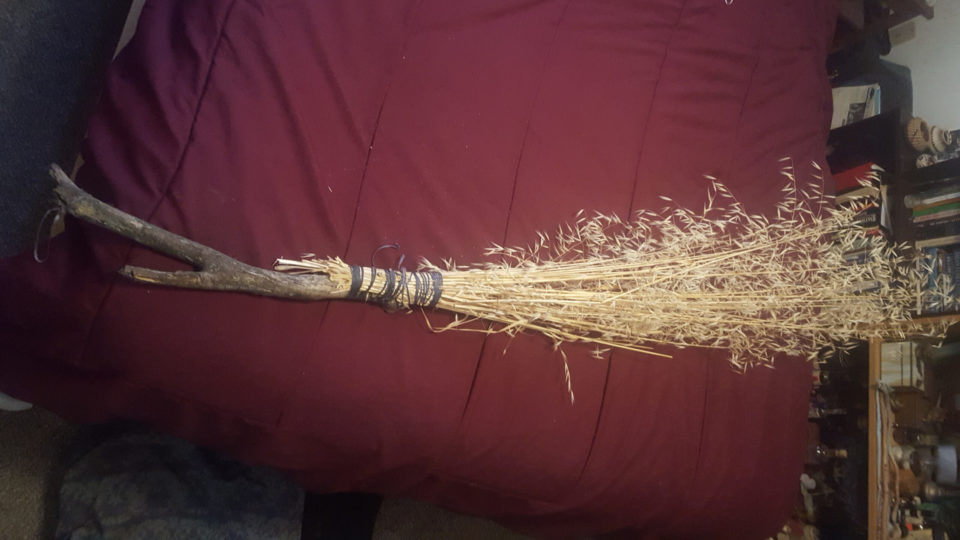
The Sun broom is both a Midsummer ritual and a tool you can use ritually around the year. You will need: A piece of tree branch for a handle. Don’t hurt a tree; go for a hike and find something that has already fallen to the ground. Thin ribbon or strong twine for binding grasses to the handle. A bunch of long strands of dry grass. I harvest the grass at the height of the day on Midsummer—the peak of the power of the Sun in the Northern Hemisphere. In my particular area, wild oats grow very tall, so I use those, mostly. I bind them to the handle with…