-
Canceled: Moon Meet 2019
Unfortunately, due to lack of registration, I’m going to have to cancel the third Moon Meet gathering, which was scheduled for July. One day, there will be enough motivation, energy and resources in the Atheopagan community for us to have in-person gatherings at other than a very local level. But it’s important to be realistic, and this particular event isn’t thriving. Meanwhile, Atheopagan U. is a GO! We move onward!
-
The Magic of a World Without Magic
Atheopagans are what is called in philosophical circles naturalists. That means that we believe that everything is a part of nature, is composed of natural material, and is subject to the laws of physics. Everything. Accordingly, barring the arrival of a substantial and compelling body of evidence in support of the idea that rituals and mental effort can and do affect physical events at a distance in time or space—i.e., “magic”—we don’t believe in that, either. There are some in other Pagan paths who express pity for this position (not to mention resentment, but that’s another matter). As if living in a world without gods, without ghosts or demons or fairies…
-
Join Us for “Atheopaganism U.”!
Please note that the first session of Atheopaganism U. is filled. If you would like to be put on the list for the next session, please use the Contact page form. I’m excited to announce that I am launching an online course in the Atheopagan path, “Atheopaganism U.”, with the first class starting June 1, 2019! All details about Atheopaganism U. are available by clicking the University tab or following the link in this sentence. I hope you’ll consider joining us!
-
Living in a Sacred World
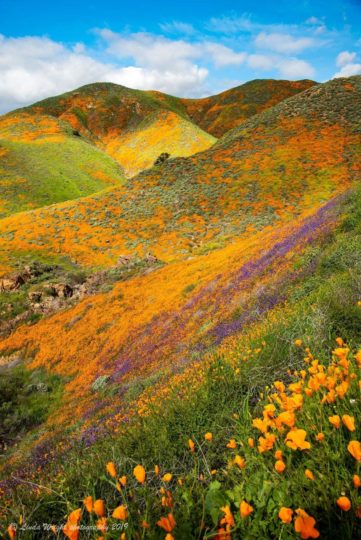
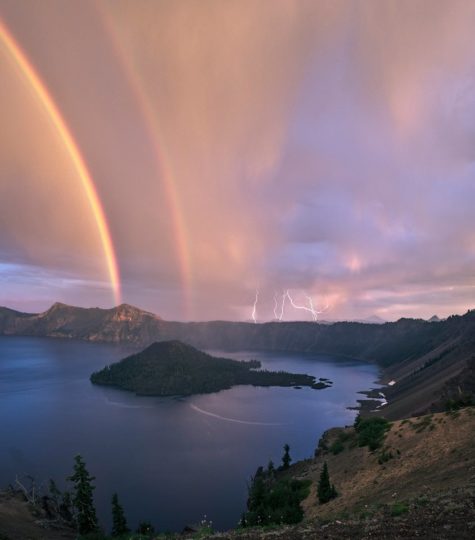
Nature is magnificent. Daily, we have sunsets and sunrises, trees and birds and all sorts of magnificent creatures. Frequently, we have new-burgeoning crescent Moons or full Moons or waning, deep-into-the-night Moons, casting their silver magic across the land. Rarely, we have sundogs and auroras and eclipses and comets. Experientially, we have mountaintops and forest walks. We have riversong. We have ocean waves and orgasms and the soft, warm glow of a hallucinogen coming on. We have the sweat of exertion and the exultation of dance, the thrill of skin on skin. We have seasonal rituals and rich, alive moments of intimacy. We have love and connection and deep conversation, and…
-
Towards a Spirituality of Responsibility
Paganism is fun. It is: it’s playful, humorous, creative, sexy, joyous, and results in communities which are often wonderful to belong to*. Atheism isn’t so fun—often, it’s stuck in fascination with being “right”—but it is grounded in reason and evidence and, thus, in what we can say with confidence is reality and not fantasy. Putting them together can result in a cross-pollination that imbues the combination with joy, exploration, groundedness, wonder, reason and humor. It can also help us transcend some of the inherent flaws in each approach on its own. Paganism can be self-indulgent, consumeristic, credulous, reflexively hostile to any suggestion that Pagans should be accountable to others, and—while…
-
Walpurgisnacht and the Veil of Memory
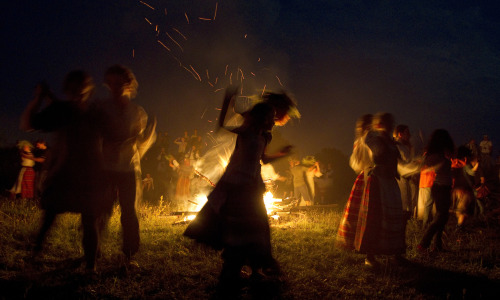
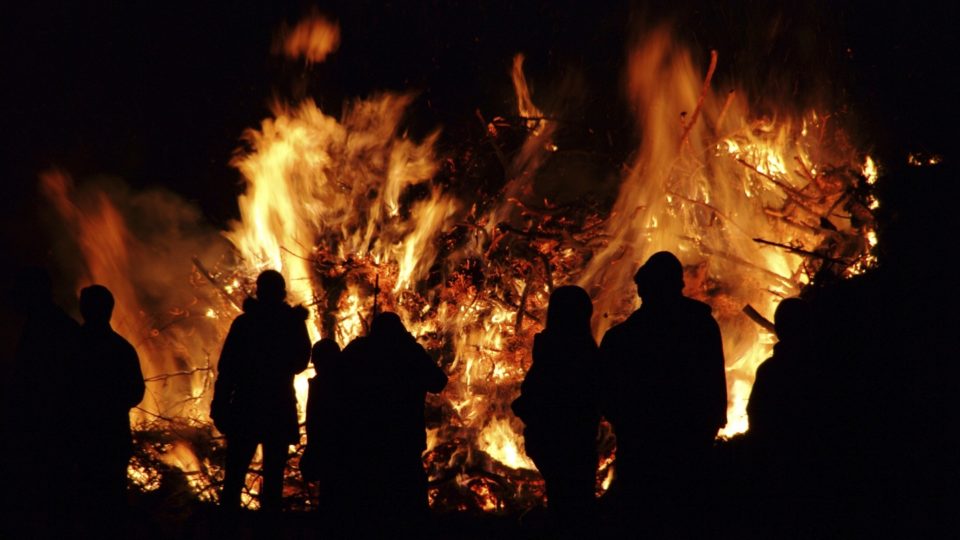
In Northern European folklore from Ireland to the Czech Republic, the 30th of April is “May Eve”, which the Germans named for the Catholic St. Walpurga as Walpurgisnacht and believed to be a time when witches and evil spirits were abroad. It is believed—like Hallows in October—to be a time when the “veil” between the world and “the spirit world” is thin and passage between them in both directions is possible: a time when, just before the joy and lightness of May Day, there is exposure to dark dealings and presences. Huge bonfires are burned on Walpurgisnacht, serving—as fires have since before modern humans even existed—to keep the Scary Monsters…
-
The Atheopagan Way, and What It Isn’t
It’s not dressing as if you’re at a Renaissance Faire. Nor goth/BDSM aesthetic, all black and “witchy”. Both are fine, if you want to indulge in them. But they’re not relevant to the path. It’s not a commercial platform for selling crystals, oils, tinctures, potions, tools, incenses, candles, Tarot cards, workshops or books. It’s not having elaborate “occult” tools. Though some who practice it may avail themselves of such things. Atheopaganism is actually something serious, though lighthearted. It’s not a dress-up game and it’s not about collecting stuff. It isn’t even necessarily about doing rituals…though it is about creating and having experiences. It’s about loving and delighting in and wondering…
-
Being Rooted and Transcending the Overculture
Contemporary Paganism in the English-speaking world suffers from multiple contaminating ideas carried over from the overculture that suffuses that world. A part of our effort at liberating ourselves from these assumptions and paradigms through Atheopaganism must, therefore, lie in choosing and adopting different models for understanding ourselves in relation to our Universe and the very nature of religion itself. Among the ideas we must transcend are: • The assumption that it is normal and natural that a religion should be imported from far away, as opposed to rooted in local land and biome. Christianity, Judaism, Islam, Buddhism and Hinduism all come from lands far distant from the Anglophone world. That’s…
-
The Atheopagan Suntree and Its Meanings
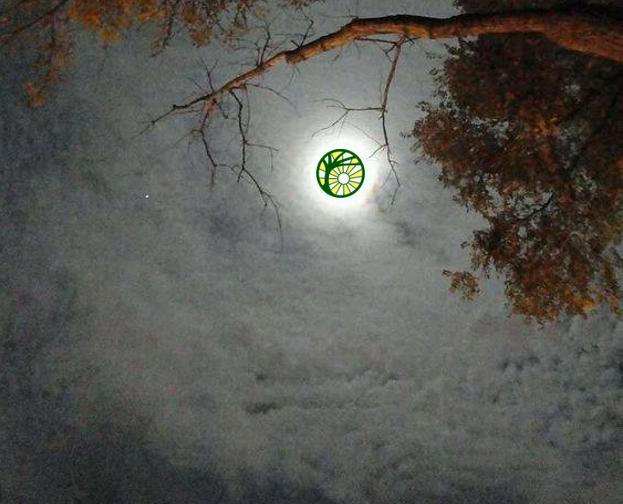
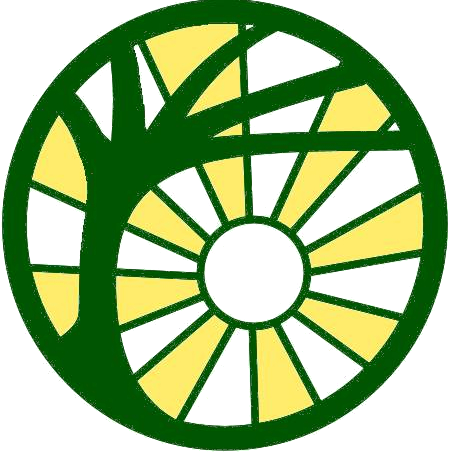
In summer of 2018, the Atheopagan community went through a process of selecting a symbol for our path. Many designs were submitted, and after several rounds of voting, we settled on this: the Suntree. I’ve been wearing a Suntree now since last August, created by community member James Morganstern. I get compliments on it often–it’s a friendly design, apparently, and I’m not the only one to think so. You can shop for wooden and metal options for Suntree pendants as well as various other goods with Suntrees on them here. I’ve found new meanings in the Suntree since we chose it–happy coincidences, if you will, or apophenia (seeing meaningful patterns where…
-
There is No Resurrection
This week, Christians are celebrating their belief that someone rose from the dead, and—for unclear and not entirely logical reasons—that they are therefore absolved of a moral stain they believe they were born with. I do not subscribe to any of that. I don’t believe in original sin. I don’t believe in life after death, much less heaven and hell. And I certainly don’t believe that a human sacrifice has any pertinence to the moral character of anyone other than the people doing the sacrificing…and in that case, it’s a negative. I don’t find the Christian moral argument to be persuasive, and I find many of the values that are…